For decades, personal development has been dominated by mindset work. "Change your thoughts, change your life" has been the rallying cry. Vision boards, affirmations, and belief-shifting exercises have been the go-to tools for coaches worldwide. And while these approaches certainly have their place, we're witnessing a profound evolution in the coaching industry—one that acknowledges a crucial missing piece in traditional personal development.
Enter trauma-informed and evidence-based coaching—approaches that recognize that sometimes, no amount of positive thinking can overcome the physiological and neurological impacts of trauma stored in the body and nervous system.
The Limitations of Mindset-Only Approaches
Traditional mindset coaching operates on the premise that changing your thoughts and beliefs is sufficient to transform your life. While powerful in many contexts, this approach can inadvertently create shame when clients struggle to implement changes despite their best intentions.
"I've tried positive thinking, I've done the affirmations, I've visualized success—why am I still stuck?" This common frustration points to something deeper than mindset alone.

What mindset-focused coaching often misses is that many blocks aren't simply negative thought patterns but protective responses from a nervous system that learned to keep you safe in threatening environments. No amount of cognitive restructuring can override a nervous system in survival mode.
Understanding Trauma's Hidden Influence
Trauma isn't just about major catastrophic events. In coaching terms, trauma includes any experience that overwhelmed your capacity to cope at the time it occurred. This broader definition includes:
- Childhood emotional neglect
- Persistent stress and microaggressions
- Career setbacks and failures
- Relationship difficulties
- Societal and cultural trauma
Research has consistently shown that these experiences don't just live in our memories—they reside in our bodies, nervous systems, and unconscious behavioral patterns.
The groundbreaking Adverse Childhood Experiences (ACEs) study revealed shocking correlations between early difficult experiences and everything from career success to physical health outcomes decades later. This isn't just psychology—it's biology, neuroscience, and physiology.
What Makes Trauma-Informed Coaching Different?
Trauma-informed coaching doesn't replace mindset work—it enhances it by adding crucial dimensions:
-
Safety First: Creating environments where clients feel physically and emotionally secure before attempting change work
-
Nervous System Regulation: Teaching clients to recognize and shift their physiological states from threat response to social engagement
-
Somatic Awareness: Incorporating body-based approaches that address where trauma is actually stored—in the nervous system and tissues
-
Evidence-Based Techniques: Using approaches validated by research rather than just inspirational concepts
-
Compassionate Context: Understanding behavioral patterns as adaptations rather than character flaws
A client working with a trauma-informed coach might hear, "That anxiety you feel when speaking up in meetings isn't just negative thinking—it's your nervous system responding to past experiences where speaking up wasn't safe. Let's work with that physiological response first, then address the thoughts."
The Science Behind the Shift
The move toward trauma-informed approaches isn't just a trend—it's backed by compelling research across multiple disciplines:
-
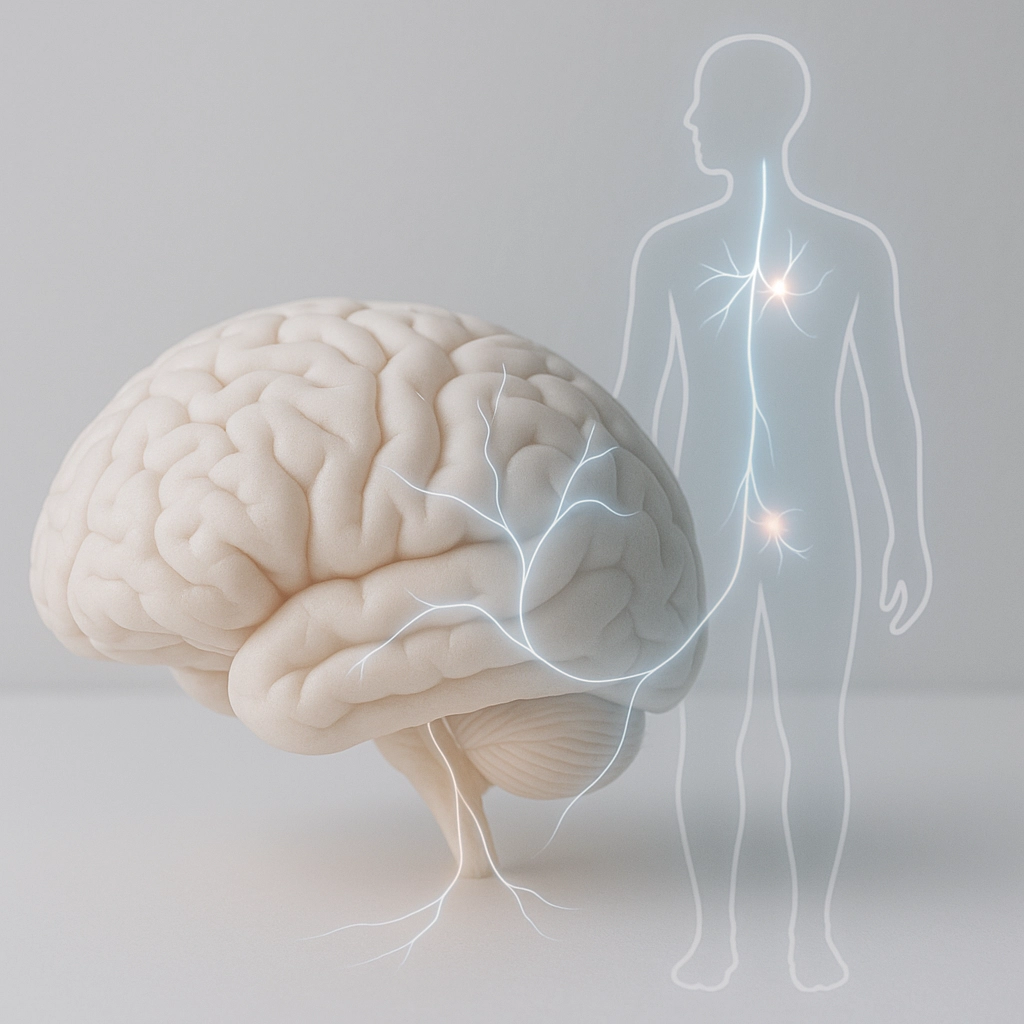
Polyvagal Theory: Stephen Porges' revolutionary framework explains how our autonomic nervous system shapes our capacity for connection, creativity, and change
-
Memory Reconsolidation: Neuroscience research showing how emotional learning gets locked in neural pathways and what's required to transform it
-
Somatic Psychology: Evidence that trauma is stored in the body and requires body-based approaches for resolution
-
Attachment Theory: How early relationship patterns create templates that affect adult behavior, particularly in stress situations
Practical Applications in Coaching
Trauma-informed coaching integrates this science into practical approaches:
1. The Regulated Coach
Trauma-informed coaches understand that their own nervous system state is contagious. They practice self-regulation techniques before and during sessions to create a sense of safety and connection.
2. Beyond Cognitive Approaches
Rather than just challenging thoughts, trauma-informed coaches might guide clients through:
- Breathwork to shift autonomic nervous system states
- Somatic tracking to increase body awareness
- Boundary exploration exercises
- Titrated exposure to triggering situations
- Resource building for nervous system resilience
3. Understanding Resistance Differently
When clients "resist" change, trauma-informed coaches recognize this may be a protective response rather than lack of motivation. Instead of pushing harder, they explore what safety might be needed for the system to allow change.
4. Progress Over Perfection
Evidence-based approaches acknowledge the neurobiological reality that change happens incrementally as the nervous system builds capacity for new experiences.
Case Study: Transforming Leadership Development
Traditional approach: A high-performing executive seeks coaching for anger management issues at work. A mindset-focused coach might work on thought patterns, beliefs about others, and communication techniques.
Trauma-informed approach: The same coach, now trauma-informed, recognizes that the executive's anger represents a fight response triggered by feeling unseen in meetings—a pattern established in childhood. The coach works first with nervous system regulation techniques before meetings, helps identify early warning signs of activation, and gradually builds capacity for staying present during challenging interactions.
The result: Instead of just managing anger through willpower (which inevitably fails under stress), the executive develops a fundamentally different relationship with threat responses, leading to sustainable change.
How Coaching Organizations Are Evolving
Forward-thinking coaching programs and organizations are incorporating trauma-informed principles into their training and methodologies. At Satori Prime, we've been at the forefront of this evolution, integrating cutting-edge neuroscience with practical coaching approaches.
This shift includes:
- Adding nervous system regulation techniques to coach training
- Incorporating polyvagal theory into coaching frameworks
- Teaching coaches to recognize signs of sympathetic activation and dissociation
- Providing trauma-informed supervision and support

Finding Balance: Integration Not Replacement
The most effective coaching today integrates trauma-informed and evidence-based approaches with traditional mindset work rather than replacing it entirely. The key questions become:
- Is this client's nervous system regulated enough to benefit from cognitive approaches?
- What somatic resources might need to be built first?
- How can we create safety for exploration and change?
- What evidence-based techniques match this client's specific needs?
The Client Experience
Clients working with trauma-informed, evidence-based coaches often report:
- "For the first time, I don't feel broken or like I'm failing at personal development."
- "I understand why my previous efforts didn't stick, despite my best intentions."
- "I'm making changes that feel sustainable, not forced."
- "I feel a sense of compassion for myself I never had before."
The Future of Coaching
The coaching industry continues to evolve as we incorporate findings from neuroscience, trauma research, and somatic psychology. The most effective coaches of the future will likely be those who can fluidly integrate:
- Traditional mindset and belief work
- Nervous system regulation techniques
- Somatic awareness practices
- Evidence-based change methodologies
- Trauma-informed safety principles
This isn't about abandoning the powerful mindset work that has helped millions—it's about enhancing it with crucial missing pieces that address the fullness of human experience.
Getting Started with Trauma-Informed Approaches
Whether you're a coach looking to evolve your practice or someone seeking more effective personal development:
- Educate yourself about polyvagal theory, somatic approaches, and trauma basics
- Develop personal regulation skills as the foundation for all other work
- Practice creating safety in coaching relationships and environments
- Integrate body awareness into existing coaching frameworks
- Seek specialized training in trauma-informed approaches
If you're interested in experiencing how trauma-informed, evidence-based coaching can transform your results, learn more about our approach at Satori Prime.
Beyond mindset lies a more integrated, compassionate, and effective approach to human development—one that honors both the power of our thoughts and the wisdom of our bodies.