
The Burnout Epidemic We Can No Longer Ignore
Remember when "busy" was a badge of honor? When running on fumes somehow meant you were doing life right?
In 2025, we're finally calling it what it is: unsustainable madness.
The data is in, and it's not pretty. Nearly 76% of professionals report experiencing burnout, with over half saying it's significantly worse than before the pandemic. What's changed isn't just our workloads – it's our entire relationship with productivity, success, and what it means to live well.
At Satori Prime, we've spent years helping high performers navigate this treacherous terrain. What we've discovered is that the old rules for success simply don't work anymore. Push through the pain? Hustle harder? Sleep when you're dead? These outdated mantras aren't just ineffective – they're actively harmful.
Today, we're breaking down the new playbook for sustainable success and emotional resilience. This isn't about quick fixes or productivity hacks. It's about fundamentally reimagining how we approach work, rest, and everything in between.
The Hidden Toll of Modern Burnout
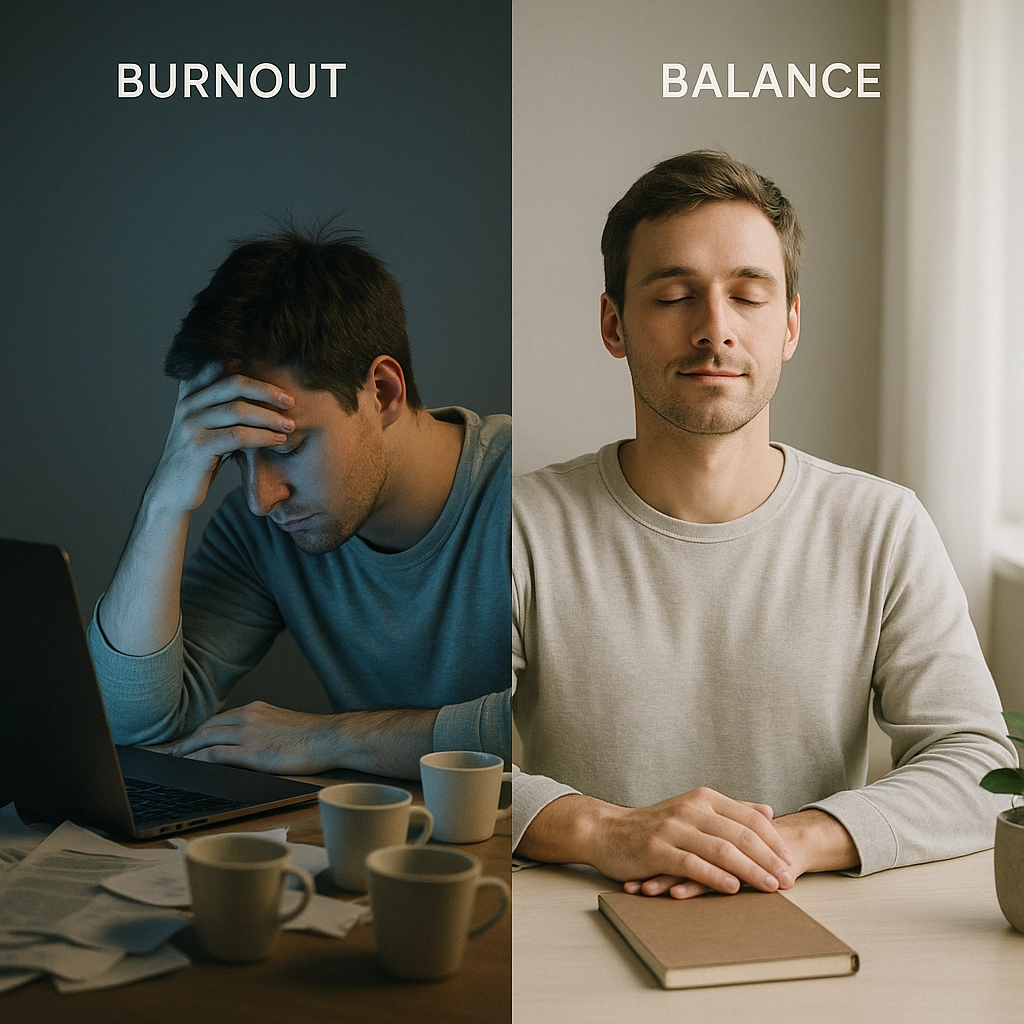
Burnout isn't just feeling tired after a long week. It's a state of chronic stress characterized by:
- Profound physical and emotional exhaustion
- Cynicism and detachment from work and relationships
- Decreased sense of accomplishment and effectiveness
- Physiological dysregulation of your nervous system
What makes modern burnout particularly insidious is how it sneaks up on us. We've normalized perpetual exhaustion to the point where many don't recognize they're burning out until they're already in crisis.
The costs extend far beyond just feeling tired. Research shows burnout is linked to:
- Compromised immune function and increased illness
- Cognitive impairment affecting decision-making
- Higher risk of cardiovascular issues
- Relationship breakdown and social isolation
- Loss of purpose and meaning
Perhaps most concerning is what neuroscience reveals: chronic stress literally rewires your brain, making it harder to regulate emotions, focus attention, and make sound decisions – precisely the skills high performers need most.
The New Rules for Sustainable Success
Rule 1: Nervous System Regulation Comes First
The foundation of the new success paradigm isn't time management – it's energy management. And energy begins with a regulated nervous system.
"Before you can optimize performance, you must first stabilize your system," explains Dr. Emily Nagoski, burnout researcher. "No amount of productivity strategies can compensate for a dysregulated nervous system."
This means intentionally building your day around practices that promote parasympathetic ("rest and digest") activation:
- Deliberate breathing practices between meetings
- Nature exposure, even if just 10 minutes daily
- Regular movement that prioritizes recovery, not just intensity
- Tech boundaries that respect your nervous system's need for rest
At Satori Prime, we've developed a 10-minute reset protocol specifically designed to regulate your nervous system even in the midst of high-pressure environments.
Rule 2: Redefine Success Metrics
The second rule involves completely rethinking how we measure success. Traditional metrics like hours worked, income level, or position on the corporate ladder are being supplemented (or replaced) by:
- Quality of relationships and community connections
- Presence and engagement during non-work hours
- Health markers including sleep quality and stress levels
- Capacity for creativity and deep thinking
- Ability to maintain perspective during challenges
This isn't just feel-good advice – it's practical business sense. Companies with wellbeing-centered metrics consistently outperform those focused solely on traditional productivity measures.
Rule 3: Build Recovery Into Everything
The third rule flips conventional wisdom on its head: recovery isn't what happens after success; it's what creates the conditions for success.
Elite performers across domains – from athletes to executives – are embracing structured recovery as essential to sustainable high performance:
- Scheduling "recovery blocks" with the same priority as critical meetings
- Implementing 90-minute work cycles followed by genuine breaks
- Taking actual vacations where work is completely disconnected
- Prioritizing sleep as non-negotiable performance enhancement

"The most sustainable performers aren't those who work the longest hours," notes performance psychologist Anders Ericsson. "They're those who master the oscillation between intense focus and genuine recovery."
Rule 4: Cultivate Emotional Agility
The final rule acknowledges that sustainable success requires sophisticated emotional skills:
- The ability to recognize and name emotions as they arise
- Practices for processing difficult feelings rather than suppressing them
- Boundaries that honor your emotional needs
- Self-compassion during inevitable setbacks
Emotional resilience isn't about never feeling negative emotions – it's about having the tools to work with them productively. Our Mindset Upgrade program specifically addresses these skills for high performers.
Practical Implementation: Your 30-Day Reset
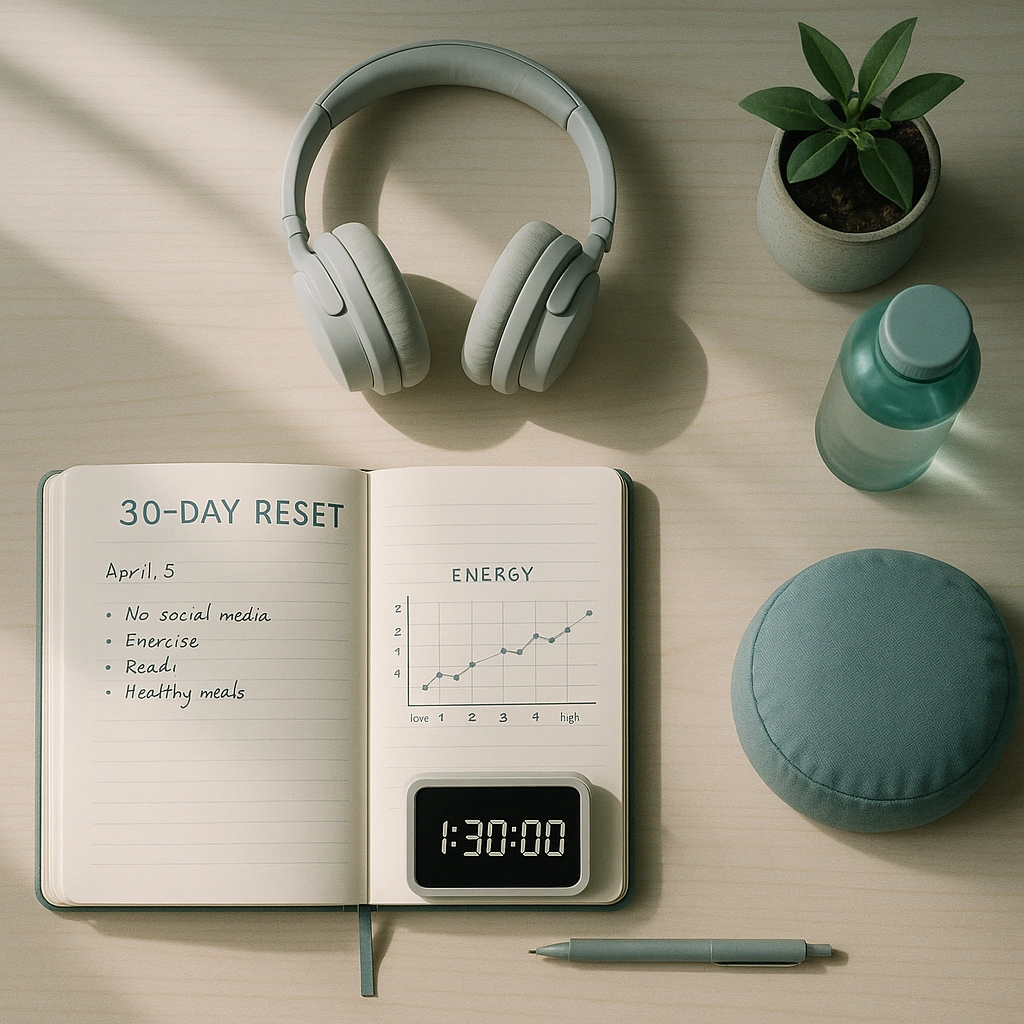
Theory is helpful, but transformation requires action. Here's a practical 30-day framework to begin your journey from burnout to balance:
Days 1-10: Awareness & Assessment
Before changing anything, understand your current state:
- Track your energy (not just time) for one week
- Identify your three most significant energy drains
- Determine your personal warning signs of impending burnout
- Establish baseline measures for sleep, movement, and stress
Days 11-20: Strategic Intervention
Now introduce targeted changes:
- Implement the "bookend method" – protecting the first and last hour of each day
- Practice one nervous system regulation technique daily
- Identify and eliminate one "empty success metric" from your self-evaluation
- Create clear communication about your new boundaries
Days 21-30: Systems & Support
Finally, build sustainability:
- Develop your personalized "minimum viable self-care" plan
- Identify accountability partners for your new approach
- Create environmental triggers for recovery practices
- Schedule monthly reassessments of your balance metrics
The Business Case for Balance
For those worried that prioritizing balance means sacrificing achievement, the evidence suggests the opposite. Organizations implementing these principles report:
- 32% higher productivity on complex creative tasks
- 41% reduction in costly turnover
- 29% fewer sick days and healthcare costs
- Measurably higher innovation metrics
The most compelling case comes from longitudinal studies showing that sustainable performers ultimately outpace burnout-prone peers over the long term, even if they appear to accomplish less in short sprints.
Your Next Steps
Transforming from burnout to balance isn't an overnight process, but it begins with a single step. Here's what you can do today:
- Take our free High Performer assessment to identify your specific burnout risk factors
- Schedule a non-negotiable 30-minute recovery block in your calendar for tomorrow
- Choose one nervous system regulation practice to implement this week
- Consider working with a coach who specializes in sustainable performance
At Satori Prime, we've guided thousands of high achievers through this exact transition. Our approach combines cutting-edge neuroscience with practical, real-world strategies that work even in demanding environments.
Remember: The goal isn't to eliminate stress entirely – that would mean eliminating growth. The goal is to create the conditions where stress serves your development rather than diminishes your capacity.
The new rules for success aren't about doing more with less. They're about doing what matters with full presence, sustainable energy, and genuine joy. That's not just a better way to succeed – it's a better way to live.
Ready to transform your relationship with achievement? Book a strategy call with our team today and discover what sustainable success looks like for you.