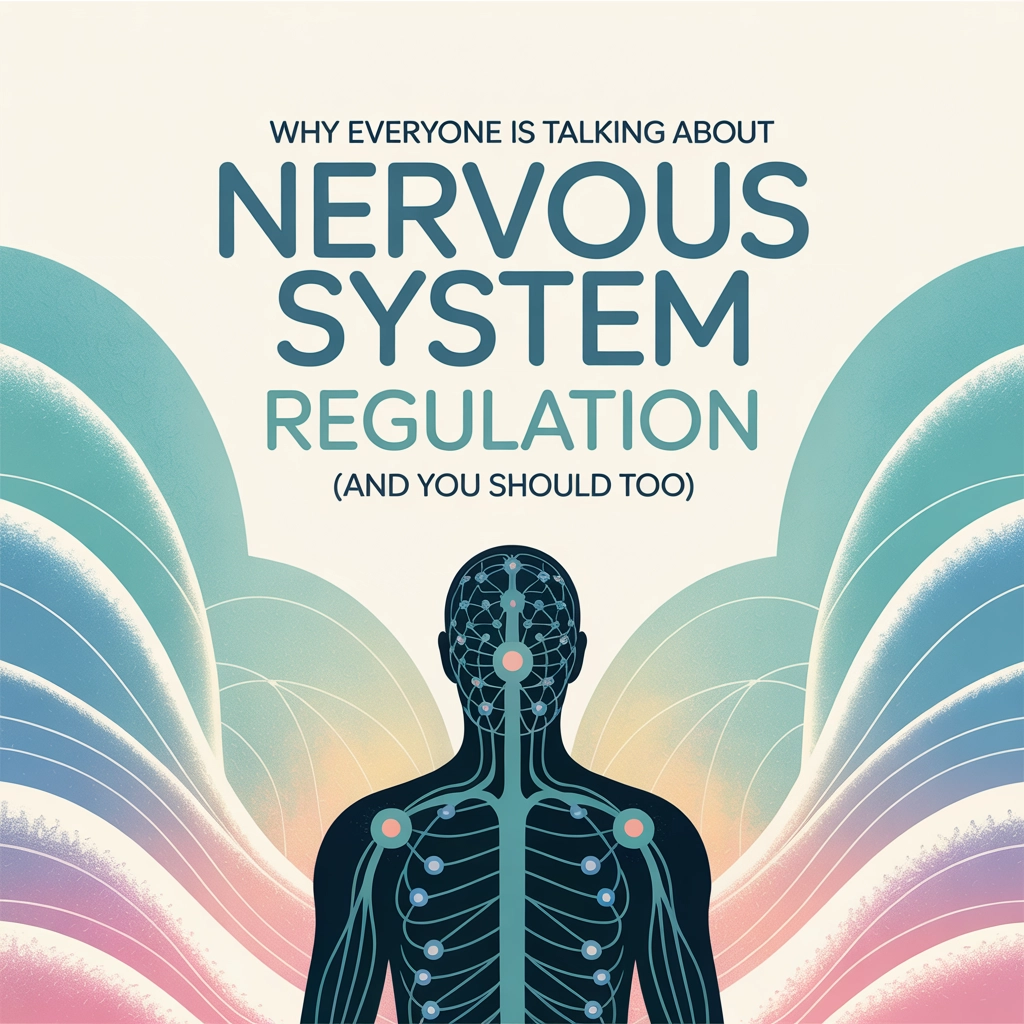
If you've been scrolling through social media lately, chances are you've seen someone talking about nervous system regulation. It's everywhere: from wellness influencers to high-performance coaches, everyone seems to be diving deep into this topic. And honestly? It's about time.
After years of working with people on their personal development journey, I've noticed a massive shift happening. We're finally moving beyond the "just think positive" mentality and getting into the real mechanics of how our bodies and minds actually work together. And nervous system regulation? That's the missing piece so many of us have been searching for.
What Is Nervous System Regulation (And Why Does It Matter)?
Let's cut through the wellness jargon for a second. Nervous system regulation is basically your body's ability to shift between states of activation and calm. Think of it like having a really good internal thermostat: one that can ramp you up when you need energy and focus, and dial you down when it's time to rest and recover.
Your nervous system has two main branches: the sympathetic (your "go" system) and the parasympathetic (your "slow down" system). When these are working in harmony, you feel resilient, focused, and able to handle whatever life throws at you. When they're out of whack? That's when you get stuck in patterns of chronic stress, anxiety, or that weird exhausted-but-wired feeling that's become way too common.

The reason everyone's talking about this now is because we're finally understanding that you literally cannot think your way out of a dysregulated nervous system. I've watched countless people try to "mindset" their way through burnout, only to find themselves more frustrated than when they started. Your body has to feel safe first: then your mind can follow.
The Modern Nervous System Crisis
Here's the thing: our nervous systems evolved for a very different world than the one we're living in. We're designed to handle short bursts of stress followed by long periods of recovery. But modern life? It's basically one long, low-grade emergency signal.
Think about your typical day. You wake up to an alarm (stress response), check your phone immediately (more stress), rush through traffic (even more stress), sit in meetings that feel like survival situations, scroll through news that's designed to keep you activated, and then wonder why you can't sleep at night.
Your nervous system is doing exactly what it's supposed to do: it's trying to keep you alive. But it's working overtime, and that's where the problems start showing up:
- You feel anxious even when there's no real threat
- Your mind races at 3 AM about things you can't control
- You get triggered by small things that wouldn't normally bother you
- You feel exhausted but can't actually rest
- Your digestion is off, your sleep is terrible, and everything feels harder than it should
Sound familiar? You're not broken: your nervous system is just stuck in patterns that made sense for our ancestors but don't serve us now.
Why Traditional Approaches Fall Short
For decades, the personal development world has been obsessed with mindset work. And don't get me wrong: how you think absolutely matters. But here's what we're learning: if your nervous system is dysregulated, your brain literally doesn't have access to the parts that can think clearly and make good decisions.
When you're in a chronic stress response, you're operating primarily from your brainstem: the most primitive part of your brain that's focused on survival. This is why you can know all the right techniques, have all the right intentions, and still find yourself stuck in the same patterns.

The nervous system regulation approach flips this on its head. Instead of trying to think your way into feeling better, you focus on helping your body feel safe first. Once your nervous system settles, your higher brain functions come back online, and suddenly all that mindset work becomes way more effective.
The Science Behind the Shift
What's really exciting is that the science is finally catching up to what many indigenous cultures and ancient healing traditions have known for thousands of years: the body holds wisdom that the mind can't access.
Research in polyvagal theory, developed by Dr. Stephen Porges, has shown us that the vagus nerve (the longest cranial nerve in your body) plays a massive role in how safe and connected you feel. When your vagus nerve is functioning well, you can stay calm under pressure, connect deeply with others, and bounce back from stress quickly.
Studies are also showing that practices like breathwork, somatic experiencing, and even simple things like humming or cold exposure can directly influence your nervous system state. This isn't woo-woo stuff: it's measurable, repeatable science.
The implications are huge. Instead of spending years in talk therapy trying to analyze your patterns (though that can be valuable too), you can often create significant shifts in weeks or months by working directly with your nervous system.
Recognizing When You Need Regulation
The tricky thing about nervous system dysregulation is that it often becomes your "normal." You might not even realize how much stress you're carrying until you start to regulate and feel the contrast.
Here are some signs that your nervous system could use some attention:
Hyperarousal signs (stuck in "go" mode):
- Racing thoughts, especially at night
- Feeling anxious or on edge for no clear reason
- Difficulty sitting still or relaxing
- Digestive issues like heartburn or IBS
- Feeling overwhelmed by small tasks
Hypoarousal signs (stuck in "shutdown" mode):
- Chronic fatigue that doesn't improve with rest
- Feeling disconnected from yourself and others
- Difficulty making decisions or taking action
- Depression or hopelessness
- Physical numbness or feeling "checked out"

Most of us swing between these states throughout the day, never really finding that sweet spot of calm alertness where we do our best work and feel most like ourselves.
Practical Approaches to Regulation
The good news is that you don't need expensive equipment or years of training to start regulating your nervous system. Some of the most effective techniques are surprisingly simple:
Breathwork is probably the most accessible tool you have. Your breath is the one part of your autonomic nervous system you can directly control, and it influences everything else. Even something as simple as making your exhales longer than your inhales can shift you toward calm.
Movement doesn't have to mean crushing yourself at the gym. Gentle, mindful movement: like walking in nature, stretching, or dancing: can help discharge stored stress and reset your system.
Connection with nature is like a reset button for your nervous system. Even looking at trees through a window has been shown to activate your parasympathetic response.
Social connection through what researchers call "co-regulation": essentially syncing up with calm, regulated people: is one of the most powerful tools we have.
The key is consistency over intensity. Small, regular practices often create more lasting change than dramatic interventions.
The Bigger Picture for Personal Development
What excites me most about this nervous system regulation movement is how it's changing the entire conversation around personal growth. Instead of the old "just push through it" mentality, we're embracing a more sustainable, body-inclusive approach to transformation.
When your nervous system is regulated, everything else becomes easier. Your relationships improve because you're not constantly in defensive mode. Your work performance gets better because you can think clearly and stay focused. Your health improves because your body can actually rest and repair.
This isn't about becoming some zen master who never feels stress. It's about building resilience: the ability to meet life's challenges from a place of groundedness instead of reactivity.

Integration with Your Growth Journey
If you're already doing personal development work, nervous system regulation isn't meant to replace what you're doing: it's meant to amplify it. When your nervous system is regulated, your meditation practice deepens, your journaling becomes more insightful, and your ability to implement new habits strengthens dramatically.
At Satori Prime, we're seeing this integration happening in real-time with our community. People who've been stuck for years in certain patterns suddenly find breakthrough when they start addressing the nervous system component of their challenges.
The truth is, sustainable transformation happens on multiple levels: mental, emotional, physical, and energetic. Nervous system regulation gives you the foundation that makes all the other work possible.
Your Next Step
If this resonates with you, start small. Pick one simple nervous system regulation practice and commit to it for the next week. Maybe it's five minutes of breathwork in the morning, a short walk outside during lunch, or putting your phone away an hour before bed.
Pay attention to how you feel, not just mentally but in your body. Notice if you sleep better, if small annoyances don't trigger you as much, or if you feel more present in your relationships.
The nervous system regulation conversation isn't just a trend: it's a fundamental shift toward honoring the wisdom of the body in our growth process. And honestly, it's about time we started listening.
Your nervous system has been trying to help you this whole time. Maybe it's time to start working with it instead of against it.