The Burnout Epidemic
The alarm bells are ringing. In today's always-on culture, burnout has evolved from an occasional workplace hazard to a full-blown epidemic. Recent studies show that over 76% of professionals report experiencing burnout at some point in their careers, with nearly half facing it multiple times. The costs are staggering—reduced productivity, increased healthcare expenses, damaged relationships, and diminished quality of life.
Traditional approaches to burnout often fall short. One-off wellness workshops provide temporary inspiration but rarely lead to lasting change. Individual therapy, while valuable, can miss the powerful dimension of shared experience. And self-help books? They gather dust on nightstands while burnout continues its silent advance.
But there's hope on the horizon, and it comes in an unexpected package: small-group coaching.
Why Small Groups Create Massive Shifts
The magic of small-group coaching lies in its unique combination of professional guidance and peer support. It's not just about having an expert at the helm—it's about creating a container where transformation becomes contagious.

Research confirms what we're seeing in practice. A groundbreaking UCLA study revealed that participants in small-group coaching programs experienced a 30% reduction in burnout symptoms—more than double the improvement seen in one-on-one coaching formats. Even more impressive, these gains remained stable six months after the program ended, unlike the temporary fixes offered by most wellness interventions.
What makes this approach so effective? It leverages several psychological principles simultaneously:
1. The Power of Shared Vulnerability
When you witness others—especially those you respect—openly discussing their struggles, something profound happens. The shame and isolation that typically accompany burnout begin to dissolve. You realize you're not broken; you're human.
In small-group settings, participants discover that even the most accomplished professionals face similar challenges. This normalization creates psychological safety, allowing deeper exploration and more authentic engagement with the coaching process.
2. Collective Intelligence and Diverse Perspectives
Individual coaching relies on the wisdom of one professional. Small-group coaching multiplies that wisdom exponentially. Each participant brings unique insights, experiences, and solutions to the table.
When someone shares a challenging situation, they receive not just the coach's perspective but an array of approaches from peers who may have navigated similar territory. This diversity of thought creates a rich learning environment where breakthrough insights emerge from unexpected places.
The Core Components of Effective Small-Group Coaching
Not all group coaching experiences are created equal. The most effective programs for burnout recovery and sustainable well-being incorporate several key elements:
Structured Framework with Flexibility
The best small-group coaching programs balance structure with responsiveness. They follow a clear progression while remaining flexible enough to address emerging needs within the group.
This typically includes:
- Regular sessions (usually 60-90 minutes) over a defined period
- Core curriculum addressing fundamental well-being practices
- Facilitated discussion and reflection
- Actionable homework between sessions
- Accountability mechanisms for follow-through
Safe Container for Authentic Expression
Burnout often involves complex emotions—frustration, disappointment, grief, and sometimes shame. Effective small-group coaching creates a container where these emotions can be expressed without judgment.

Skilled facilitators establish clear agreements around confidentiality and communication, ensuring participants feel secure enough to bring their whole selves to the process. This safety allows for the vulnerability necessary for true transformation.
Focus on Embodied Practices
Sustainable well-being requires more than intellectual understanding. It demands embodied practices that shift how we live and work on a daily basis.
In small-group coaching, participants don't just discuss better boundaries—they practice articulating them. They don't just contemplate stress reduction—they experience real-time regulation techniques. This embodied learning creates neural pathways that support lasting change.
The Economics of Small-Group Coaching: More Value, Greater Access
Beyond its effectiveness, small-group coaching offers compelling economic advantages. The UCLA study mentioned earlier found that group coaching cost approximately $400 per participant compared to $1,000 for individual coaching—delivering better outcomes at 40% of the price.
This cost-effectiveness makes sustainable well-being more accessible to those who need it most. Organizations can provide high-quality support to more team members, and individuals can access transformative experiences at a fraction of the cost of one-on-one coaching.
Real Stories, Real Transformation
The power of small-group coaching becomes evident in the stories of those who've experienced it firsthand:
Michael, Tech Executive: "After my second burnout episode, I knew something had to change, but I couldn't see a way forward. The small-group coaching program gave me both the tools and the community I needed. Six months later, I'm working more effectively than ever while actually enjoying my life again."
Sarah, Healthcare Professional: "The pandemic pushed me to my breaking point. I was considering leaving medicine altogether. In our coaching group, I found others facing the same struggles. Together, we developed practical strategies that allowed me to reclaim my passion for patient care while protecting my well-being."
James, Entrepreneur: "As a business owner, I thought burnout was just the cost of success. Our coaching group helped me recognize that sustainable performance requires sustainable practices. The accountability from the group was what finally helped me implement the changes I'd known I needed for years."
The Science of Sustainable Change
What makes small-group coaching so effective for creating lasting change? The answer lies in how our brains are wired.
Neuroscience research shows that our nervous systems co-regulate with others. When we're in a supportive group setting, our ability to process stress and develop new patterns is enhanced. The presence of others who are committed to similar goals activates our social engagement system, making it easier to implement and maintain positive changes.

Additionally, small-group settings leverage the power of social proof and commitment. When we verbalize our intentions to others and witness their progress, our own motivation and follow-through increase dramatically. One study found that people who shared their goals with a supportive group were 65% more likely to achieve them than those who kept their intentions private.
How Small-Group Coaching Fits into Your Well-Being Journey
Small-group coaching isn't meant to replace all other forms of support. Rather, it serves as a powerful complement to individual practices and occasional larger group experiences.
Think of it as the Goldilocks solution—not so large that you get lost in the crowd, not so individualized that you miss the power of community, but just right for creating sustainable transformation.
Many participants find that small-group coaching provides the ideal bridge between learning concepts and actually living them. The accountability, support, and shared wisdom of the group creates momentum that carries new practices into daily life.
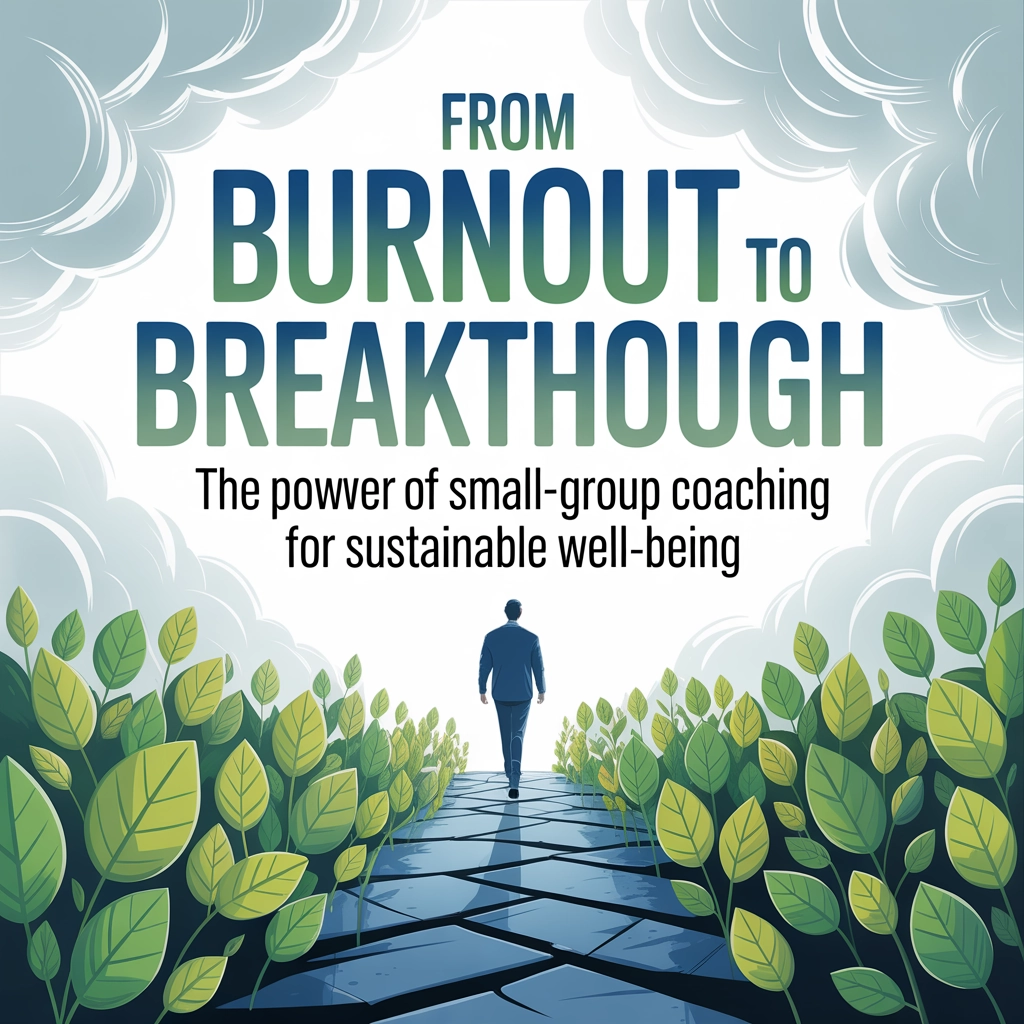
Ready to Move From Burnout to Breakthrough?
The journey from burnout to sustainable well-being isn't about quick fixes or temporary relief. It's about creating a new relationship with yourself, your work, and your life—one that honors your humanity while supporting your ambitions.
Small-group coaching offers a powerful pathway for this transformation, combining expert guidance with the irreplaceable power of community.
At Satori Prime, we've witnessed the profound impact of this approach firsthand. We've seen professionals on the brink of collapse rediscover their passion and purpose. We've watched teams transform their cultures from burnout factories to thriving communities. And we've observed the ripple effects as these changes extend into families and broader communities.
If you're ready to move beyond burnout toward sustainable well-being, we invite you to explore how small-group coaching might support your journey. Learn more about our approach and upcoming programs at Satori Prime's Breakthrough Programs.
Your breakthrough awaits—and you don't have to make the journey alone.