 Satori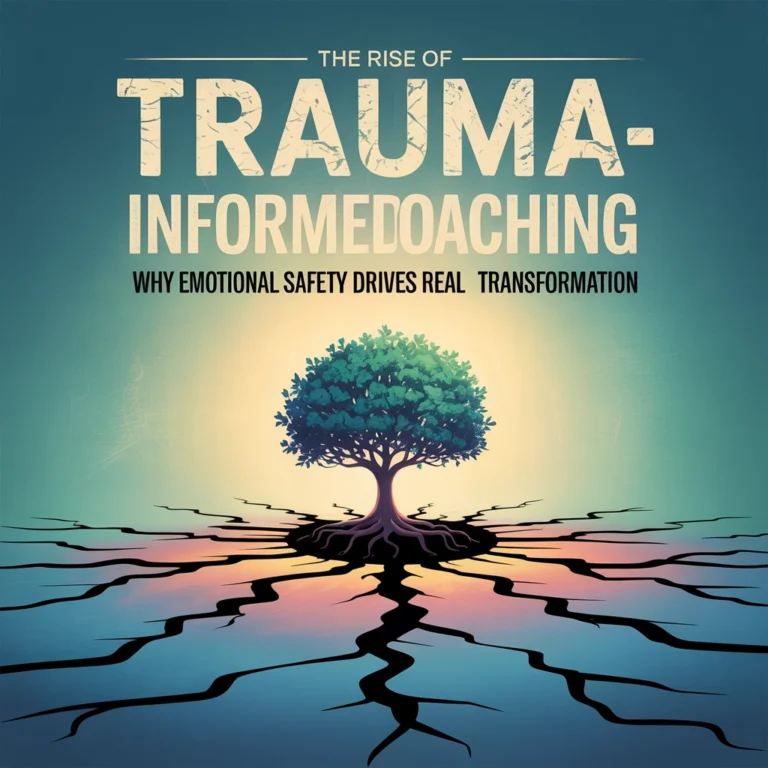
The Evolution of Coaching Approaches
Traditional coaching has long focused on goal-setting, action plans, and accountability—valuable tools that have helped countless individuals achieve their objectives. But what happens when those tools don't seem to work? When clients remain stuck despite their best efforts? When motivation techniques that should inspire instead trigger resistance or shutdown?
The missing piece in many coaching approaches has been hiding in plain sight: emotional safety.
The coaching industry is experiencing a paradigm shift as practitioners recognize that transformation doesn't happen in environments of judgment, pressure, or disconnection. Rather, it flourishes in spaces where clients feel deeply seen, accepted, and secure. This realization has given rise to trauma-informed coaching—an approach that's revolutionizing how we facilitate personal growth.
Understanding Trauma's Impact on Growth
Before we explore trauma-informed coaching, let's clarify what we mean by "trauma." Contrary to popular belief, trauma isn't limited to catastrophic events like war or natural disasters. Trauma can include:
- Childhood experiences of neglect or criticism
- Persistent stress or overwhelm
- Relationship betrayals or losses
- Systemic oppression or discrimination
- Medical procedures or health crises
- Even seemingly "normal" experiences that overwhelmed our capacity to cope
Research suggests that over 70% of adults have experienced some form of trauma. This statistic reveals something profound: most people seeking coaching carry invisible wounds that influence how they respond to challenges, feedback, and even positive opportunities.
When these wounds remain unaddressed, traditional coaching methods may inadvertently reinforce unhelpful patterns rather than dissolve them.

The Core Principles of Trauma-Informed Coaching
Trauma-informed coaching doesn't mean treating every client as traumatized or shifting into therapy territory. Instead, it involves creating conditions where transformation can happen naturally, regardless of a person's history. Here's how it works:
1. Safety First: The Foundation of Transformation
Trauma-informed coaches prioritize psychological safety above all else. This means:
- Creating consistent, predictable coaching environments
- Honoring boundaries and client autonomy
- Using language that invites rather than demands
- Recognizing and respecting signs of nervous system activation
- Adjusting pacing to match the client's capacity
At Satori Prime, we've observed that when clients feel safe, they naturally move toward growth—often without the forceful "pushing" that characterizes other approaches.
2. Empowerment Over Direction
Traditional coaching sometimes positions the coach as the expert with answers. Trauma-informed coaching recognizes that true transformation comes when clients reclaim their innate wisdom and agency.
This looks like:
- Collaborating rather than directing
- Validating clients' experiences and perceptions
- Supporting choice and consent throughout the process
- Celebrating small steps toward autonomy
- Building self-trust as a primary outcome
3. Understanding the Nervous System
Perhaps the most revolutionary aspect of trauma-informed coaching is its integration of neuroscience—specifically, understanding how the nervous system responds to perceived threats.
When clients encounter triggering situations, their nervous systems may shift into protective responses (fight, flight, freeze, or fawn). These biological responses can hijack even the most well-intentioned coaching plans.
Trauma-informed coaches recognize these shifts and know how to:
- Help clients identify their nervous system states
- Offer regulation tools to return to a state of safety
- Work within the "window of tolerance" where learning is possible
- Validate protective responses without judgment
Why Emotional Safety Drives Real Transformation
The question remains: why does emotional safety matter so much for transformation? The answer lies in how our brains and bodies function.

The Biology of Change
When we feel threatened (even subtly), our brain's prefrontal cortex—responsible for learning, creativity, and insight—goes offline. Resources are diverted to survival functions instead. This biological reality means that without safety, we literally cannot access our capacity for deep change.
Safety signals to our nervous system that it's okay to:
- Be vulnerable and authentic
- Explore uncomfortable truths
- Take risks and try new behaviors
- Process difficult emotions
- Integrate new perspectives
In other words, emotional safety isn't just a "nice to have"—it's the neurobiological prerequisite for transformation.
Beyond Compliance to True Change
Many coaching approaches can produce short-term compliance through accountability and motivation techniques. Clients might take action temporarily, but often slide back when the external pressure eases.
Trauma-informed coaching aims deeper. By creating safety, it allows clients to:
- Address the root causes of resistance
- Resolve internal conflicts that create self-sabotage
- Develop intrinsic rather than extrinsic motivation
- Build sustainable, embodied new patterns
- Transform their relationship with themselves
The Tangible Benefits of Trauma-Informed Coaching
The impact of this approach extends far beyond theory. Clients experiencing trauma-informed coaching report:
- Greater emotional literacy and self-regulation
- Stronger boundaries in personal and professional relationships
- Motivation stemming from values rather than shame or fear
- Increased resilience during challenges
- Improved capacity for authentic connection
- Reduced burnout and stress-related symptoms
- Higher levels of self-compassion
For organizations implementing trauma-informed leadership, the benefits multiply: increased psychological safety, reduced turnover, higher engagement, and more innovative cultures emerge.

Implementing Trauma-Informed Principles in Your Life
Even without formal training, you can begin incorporating trauma-informed principles in your interactions with others—and with yourself:
-
Prioritize connection before correction. When facing challenges, first reconnect with yourself or others before attempting to solve problems.
-
Notice nervous system responses. Pay attention to signs of fight, flight, or freeze in yourself and others: rapid heartbeat, disconnection, defensiveness, people-pleasing, or shutting down.
-
Offer choice whenever possible. Simple options help restore a sense of agency during difficult situations.
-
Validate experiences before moving to solutions. Acknowledging emotions creates safety that allows natural problem-solving to emerge.
-
Practice self-compassion. The internal relationship with yourself sets the foundation for all external growth.
The Future of Coaching Is Trauma-Informed
As our collective understanding of human development evolves, trauma-informed approaches are becoming not just an option but an essential framework for effective coaching.
At Satori Prime, we believe emotional safety is the missing ingredient that explains why some coaching works deeply and lastingly, while other approaches create temporary shifts at best. This understanding informs every aspect of our work with clients.
The rise of trauma-informed coaching represents more than a trend—it's a fundamental shift in how we understand human transformation. By prioritizing emotional safety, we don't just help clients achieve goals; we support them in healing the disconnections that have prevented authentic growth.
True transformation doesn't come from pushing harder or setting bigger goals. It emerges naturally when we feel safe enough to be fully ourselves, embracing both our strengths and vulnerabilities.
Experience the Difference
Want to experience how nervous system regulation—a cornerstone of trauma-informed approaches—can transform your well-being and performance? Try our free 10-Minute Nervous System Protocol and discover how emotional safety creates the foundation for lasting change.
When we feel safe, we can grow in ways we never imagined possible. And that's not just good coaching—it's transformational.