Something interesting is happening in boardrooms and executive suites across the country. High-performing leaders who used to spend hours in therapy sessions are quietly switching to a simple 10-minute daily practice that's delivering better results in less time.
It's not what you might think. This isn't about meditation apps or breathing exercises (though those can help). This is about nervous system regulation – a practice that's been quietly revolutionizing how the world's most successful people manage stress, make decisions, and lead their teams.
The shift makes sense when you think about it. Traditional therapy often focuses on processing past experiences and understanding patterns. But what if the real breakthrough isn't in your mind – it's in your nervous system?
What Exactly Is This 10-Minute Practice?
The practice centers around what researchers call "somatic awareness" – essentially tuning into your body's internal signals and learning to regulate your nervous system in real-time. Unlike traditional meditation, this isn't about emptying your mind or achieving some zen-like state. It's about becoming incredibly attuned to what's happening in your body so you can respond rather than react.

Here's how it typically works: Leaders set aside 10 minutes (either at a consistent time or whenever feels right) to sit quietly and focus on specific areas of their body. They might tune into their shoulders and hip bones, notice sensations around their kidneys and adrenal glands, pay attention to their brainstem's hypervigilance system, or focus on grounding through their ankles.
The beauty of this approach is its flexibility. Some executives do it first thing in the morning. Others prefer a midday reset. Some even practice it in their car between meetings. The key isn't when you do it – it's that you consistently show up for those 10 minutes.
The Science Behind Why This Works
Your nervous system is constantly processing information and determining whether you're safe or under threat. When you're leading a company, making million-dollar decisions, or managing difficult team dynamics, your nervous system can get stuck in a state of chronic activation.
This is where the magic happens. Those 10 minutes of focused somatic awareness help interrupt your stress response signaling and allow your nervous system to settle. When your nervous system is regulated, everything changes – your decision-making improves, your emotional reactions become more measured, and your leadership presence becomes more grounded.

Research shows that regular practice improves what scientists call "interoception" – your ability to sense your body's internal signals. Better interoception directly correlates with decreased anxiety, improved emotional regulation, and enhanced self-awareness. For leaders, this translates to sleeping more deeply, experiencing less anxiety, and feeling more confident in high-pressure situations.
How This Compares to Traditional Therapy
Don't get me wrong – therapy has its place. But here's where this practice offers something different:
Speed of Results: While therapy often takes months or years to create lasting change, nervous system regulation can show immediate benefits. Leaders report feeling more centered and less reactive within days of starting the practice.
Practical Application: Therapy typically happens once a week in an office setting. This 10-minute practice can be used in real-time – before a difficult conversation, during a stressful day, or when you need to reset your energy.
Prevention vs. Treatment: Traditional therapy often focuses on healing past wounds. Nervous system regulation is more about building resilience and preventing future burnout before it happens.
Cost and Time Efficiency: Ten minutes a day versus hours of weekly therapy sessions – the math is pretty compelling for busy executives.
The Real-World Impact on Leadership
Leaders who adopt this practice report some pretty remarkable shifts. They become less reactive and more responsive. Instead of immediately jumping into problem-solving mode when faced with a challenge, they pause, regulate their nervous system, and then respond from a place of clarity rather than stress.

This enhanced self-awareness extends beyond personal regulation. Leaders become more emotionally transparent with their teams, modeling healthy self-care behaviors throughout their organizations. One CEO I know described it this way: "I used to pride myself on working through exhaustion. Now I recognize when my capacity is low and adjust accordingly. My team sees this and feels permission to do the same."
The practice also improves what researchers call "emotional transparency." When leaders are more connected to their internal state, they can communicate more authentically about their needs, boundaries, and emotional experiences. This creates psychological safety for their teams and improves overall organizational health.
Implementation: Getting Started
The best part about this practice is how simple it is to begin. Here's a practical framework:
Choose Your Approach: Decide whether you want to practice at a consistent daily time (formal approach) or whenever it feels right throughout your day (informal approach). Both work – it's about what fits your lifestyle.
Find Your Focus Areas: Start by noticing different parts of your body during your 10 minutes. Pay attention to your shoulders (where we hold stress), your hip bones (our foundation), your kidneys and adrenal glands (stress response centers), and your feet (grounding connection).
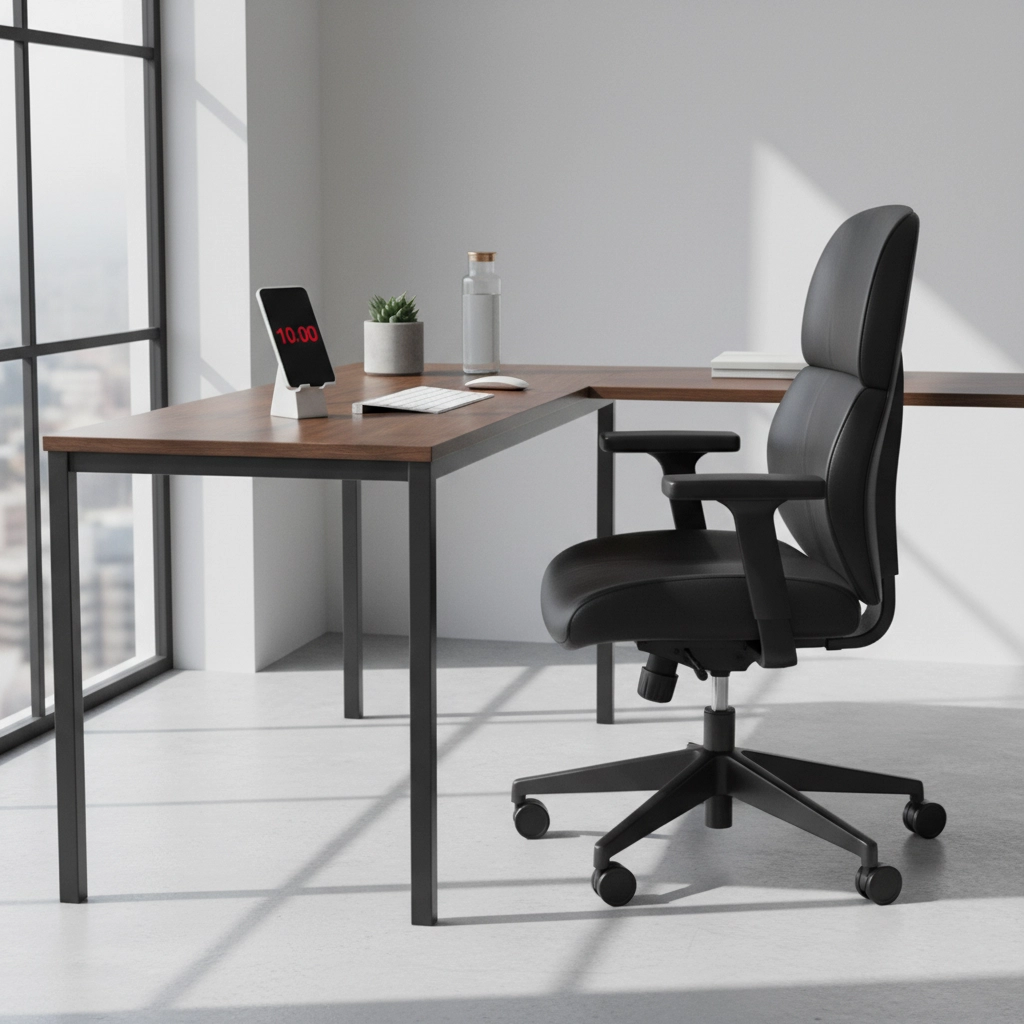
Create the Environment: This doesn't require a meditation cushion or special room. Your office chair, car seat, or even a bathroom stall can work. The key is having 10 minutes where you won't be interrupted.
Start Small: If 10 minutes feels overwhelming, start with 3-5 minutes. Consistency matters more than duration in the beginning.
Track the Impact: Notice how you feel before and after your practice. Pay attention to how you respond to stressful situations throughout the day. Most leaders see a difference within the first week.
Integration with Leadership Development
Progressive organizations are starting to incorporate nervous system regulation into their leadership development programs. Rather than focusing solely on strategic thinking and technical skills, these programs teach leaders how to maintain optimal performance under pressure.
The practice includes elements like mindful conversations (staying present during difficult team discussions), meeting pauses (taking 30 seconds to regulate before important decisions), and daily reflection (noticing patterns in your nervous system responses).
Leaders who stick with the practice report working less overall while maintaining effectiveness. They're able to recognize when their productivity is declining and choose to step away rather than push through, resulting in better outcomes with less effort.
Why This Matters Now
We're living in an unprecedented time of complexity and rapid change. The old model of "push through and figure it out" isn't sustainable anymore. Leaders need tools that help them maintain peak performance while preserving their health and well-being.

This 10-minute practice represents a shift from managing symptoms to building fundamental resilience. It's not about becoming immune to stress – it's about developing the capacity to move through challenging situations with greater ease and clarity.
The leaders who are adopting this approach aren't looking for a quick fix. They're investing in a fundamental upgrade to how their nervous system functions. And the compound effect over time is creating not just better leaders, but more sustainable and humane ways of doing business.
If you're ready to experience what thousands of high-performing leaders are discovering, the path is simpler than you might think. Ten minutes. Your body's wisdom. And the willingness to try something that might just change everything about how you lead.
The question isn't whether you have time for this practice. The question is whether you can afford not to prioritize it.