You've been to therapy. You've read the self-improvement books. You've tried meditation, journaling, positive affirmations, and maybe even some life coaching. Yet here you are, still dealing with the same patterns, the anxiety that hits out of nowhere, the relationships that feel impossible, the constant sense that something's just… off.
Here's the truth nobody's telling you: you're not broken, and you're not doing it wrong. You're just chasing symptoms instead of addressing the root cause.
Most trauma recovery approaches are like trying to fix a car alarm by turning up the radio. Sure, you can't hear the alarm anymore, but it's still going off, draining your battery, and signaling that something's fundamentally wrong under the hood.
The Real Problem: Your Nervous System Is Stuck
When we talk about trauma, most people think about the big, obvious stuff: car accidents, abuse, major losses. But trauma is actually any experience that overwhelmed your nervous system's ability to cope in that moment. It could be growing up in a household where you never felt safe to express emotions, being the "responsible one" who had to take care of everyone else, or even just living in our constantly stimulating, always-on modern world.
Here's what's really happening: your nervous system got stuck in survival mode.
Think of it like this: your nervous system has two main settings. There's the "safe and social" mode where you can connect, create, learn, and be present. Then there's "survival mode" where your body is scanning for threats, ready to fight, flee, or shut down at any moment.
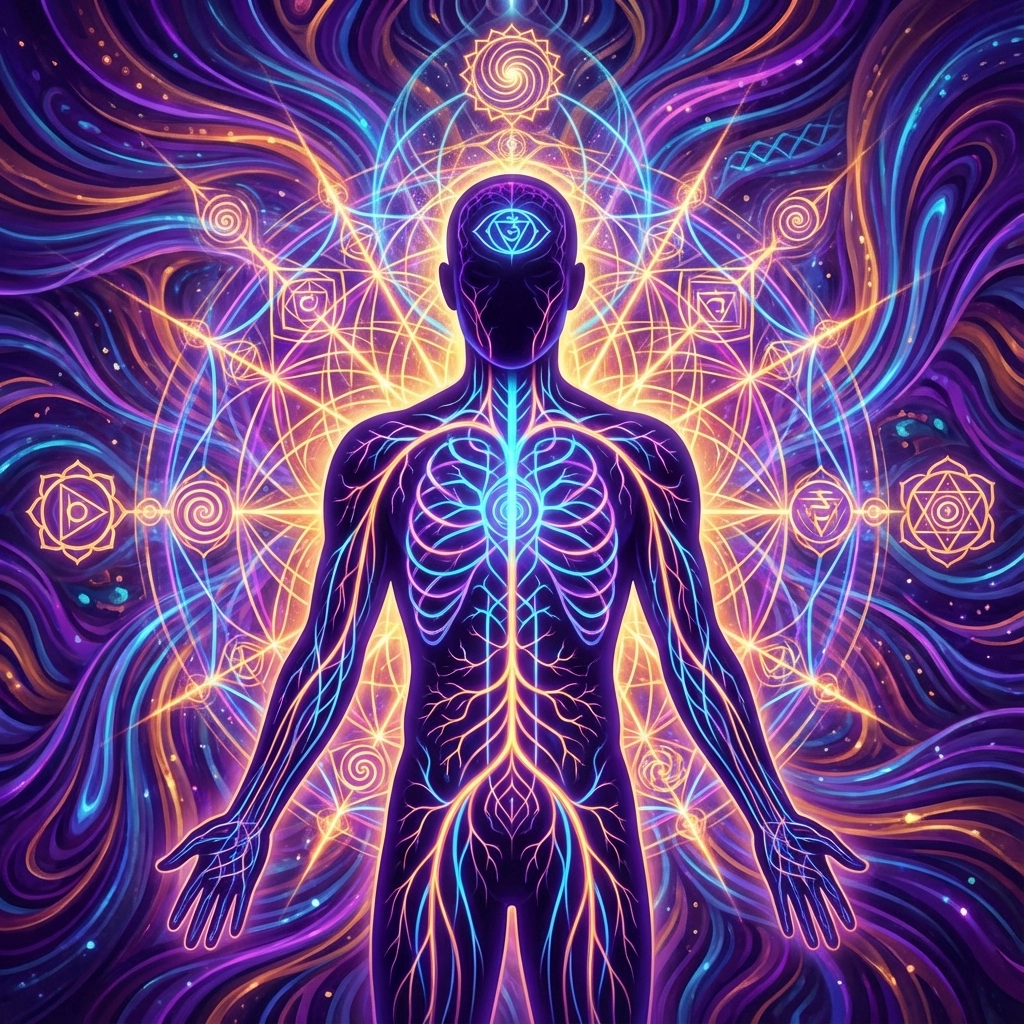
When you experience trauma, your nervous system shifts into survival mode to protect you. The problem is, it can get stuck there. Your body literally learns that the world isn't safe, and it maintains this hypervigilant state even when you're logically safe.
This is why you might feel anxious for "no reason," struggle with relationships despite wanting connection, or find it impossible to quiet the mind even during meditation. Your nervous system is doing exactly what it's supposed to do: protect you. It just doesn't realize the danger has passed.
Why Traditional Approaches Fall Short
Most therapy and self-improvement work happens at the cognitive level. You talk about what happened, try to understand it, maybe work on changing your thoughts and beliefs. And while this can be helpful, it's missing a crucial piece: trauma lives in your body, not just your mind.
You can have all the insights in the world about why you react a certain way, but if your nervous system is still stuck in survival mode, those insights won't translate into lasting change. It's like trying to have a rational conversation with someone who's convinced a bear is chasing them. Until they feel safe, logic isn't going to land.
This is where most meditation practices and spiritual development work miss the mark too. Traditional meditation often asks you to "observe your thoughts" or "let go of emotions," but if your nervous system is dysregulated, sitting still and going inward can actually feel threatening. Your body interprets stillness as vulnerability.
What Actually Works: Nervous System Regulation
Real healing happens when you help your nervous system learn that it's safe to come out of survival mode. This is called nervous system regulation, and it's the missing piece in most people's healing journey.
When your nervous system is regulated, everything changes. You naturally feel more peaceful. Your relationships improve because you're not constantly braced for threat. You become a better parent because you can stay present instead of reactive. You access flow states more easily because your system isn't stuck in hypervigilance.
But here's the key: you can't think your way into nervous system regulation. It happens through the body.

Your nervous system communicates through sensation, not thoughts. It responds to things like breath patterns, heart rate variability, muscle tension, and co-regulation with other nervous systems. This is why some of the most powerful healing happens not in individual therapy, but in safe relationships where your nervous system can learn it's okay to let its guard down.
The Co-Regulation Revolution
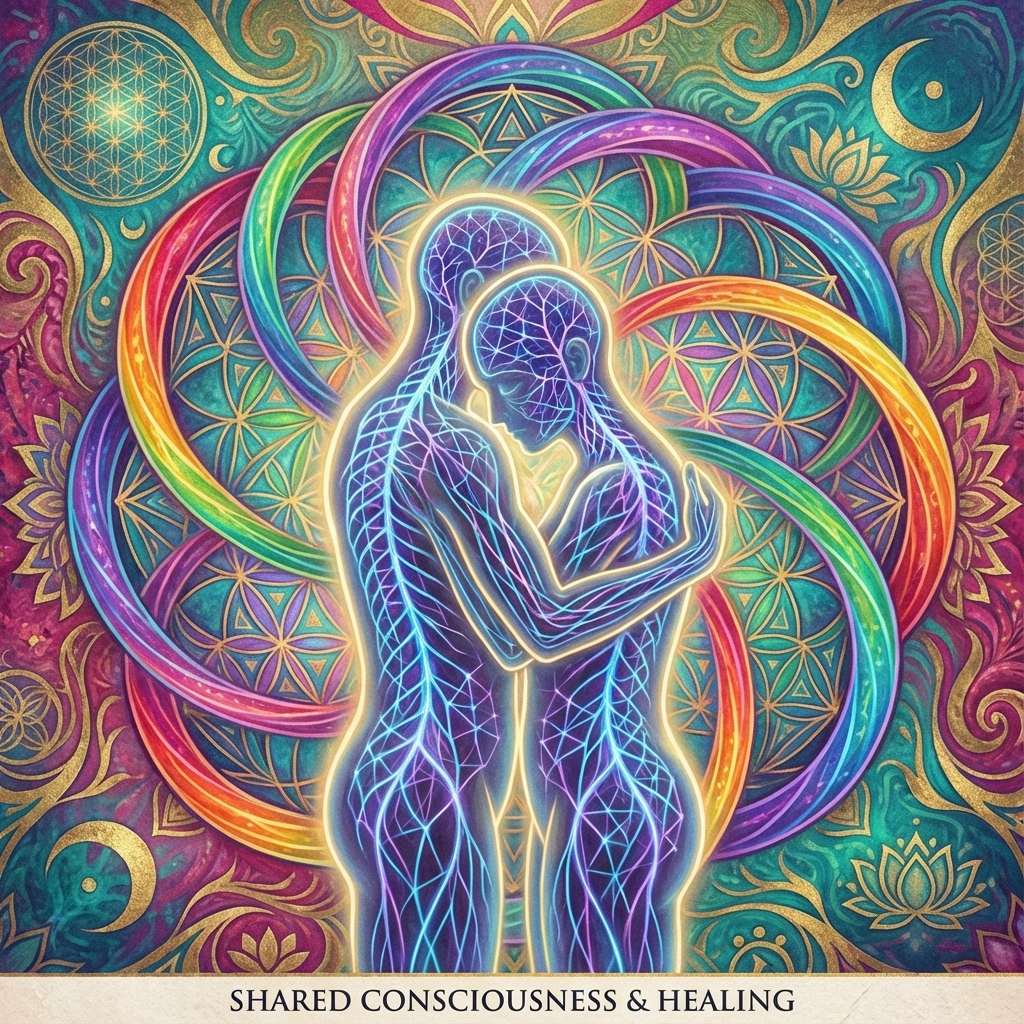
One of the most powerful tools for nervous system healing is something called co-regulation. This is when your nervous system syncs up with another person's regulated nervous system, literally borrowing their sense of safety until you can generate it on your own.
Think about how you feel around certain people. Some people make you feel more anxious just by being in the room, while others have this calming presence that immediately puts you at ease. That's co-regulation in action.
This is why healing doesn't happen in isolation. We need safe relationships: whether with a skilled therapist, a trusted friend, or a partner: where our nervous system can practice coming out of survival mode. It's also why group work and community can be so transformative in personal development.
Practical Steps for Root-Cause Healing
So what does nervous system-focused healing actually look like? Here are some approaches that work at the root level:
Breathwork for Nervous System Reset
Your breath is one of the fastest ways to signal safety to your nervous system. But this isn't about forcing deep breaths when you're panicked. It's about learning to breathe in ways that naturally regulate your system. Practices like box breathing or extended exhale breathing can shift you out of fight-or-flight in minutes.
Somatic Practices
This includes things like gentle movement, body scanning, and learning to track sensations in your body. When you can feel what's happening in your body moment to moment, you can start to catch yourself before you get hijacked by survival responses.
Meditation for Healing (Not Performance)
Instead of forcing yourself to sit still and clear your mind, try meditations focused on safety and regulation. This might include loving-kindness practices, body-based meditations, or even just practicing feeling your feet on the ground.
Nervous System Health Basics
Sometimes the most profound healing comes from addressing basic nervous system needs: consistent sleep, nourishing food, spending time in nature, and reducing stimulation overload from screens and caffeine.
Professional Support
Working with someone trained in trauma-informed approaches can accelerate your healing dramatically. Look for practitioners who understand nervous system regulation and can help you feel safe in your body, not just process your story.
The Transformation That's Possible
When you address trauma at the nervous system level, the changes aren't just psychological: they're physiological. You might notice your chronic pain reducing, your digestion improving, or your sleep becoming more restorative. This isn't woo-woo stuff; it's what happens when your nervous system can finally come out of chronic stress mode.
But the real transformation is in how you show up in life. You become more present with your kids because you're not constantly scanning for threats. Your relationships deepen because you can actually receive love instead of bracing for disappointment. You access higher performance and flow states naturally because your system isn't wasting energy on hypervigilance.

You start to be more peaceful not because you're trying harder, but because peace becomes your nervous system's natural state when it feels safe.
Moving Beyond Symptom Management
The invitation here isn't to throw away everything you've learned or tried. It's to add this missing piece: nervous system awareness: to your healing toolkit.
Instead of just managing your anxiety, you can address why your nervous system is generating anxiety in the first place. Instead of just trying to improve relationships through better communication skills, you can become someone whose regulated nervous system naturally invites connection.
This is how to heal yourself at the deepest level. Not by fixing what's wrong with you, but by helping your body remember what it feels like to be safe, regulated, and alive.
Your nervous system has been trying to protect you all along. Now it's time to help it learn that you're safe to come home to yourself.
Ready to start addressing the root instead of chasing symptoms? Your nervous system: and your life( will thank you.)