Here's what nobody's talking about: while everyone's obsessing over the latest biohacking gadgets and productivity systems, the real foundation of peak performance has been living inside you all along. Your gut, your sleep, and your connections aren't separate pieces of some wellness puzzle: they're three parts of one integrated system that's literally rewiring how we think about human optimization.
And in 2025, this isn't just hippie speculation anymore. We've got the science to prove it.
The Gut-Brain-Sleep Triangle That Changes Everything
Your gut isn't just processing last night's dinner. Those trillions of microorganisms in your digestive tract are running a 24/7 biochemical operation that directly influences your brain function, sleep quality, and even how you connect with others. We're talking about a sophisticated communication network that makes your smartphone look like a tin can with string.
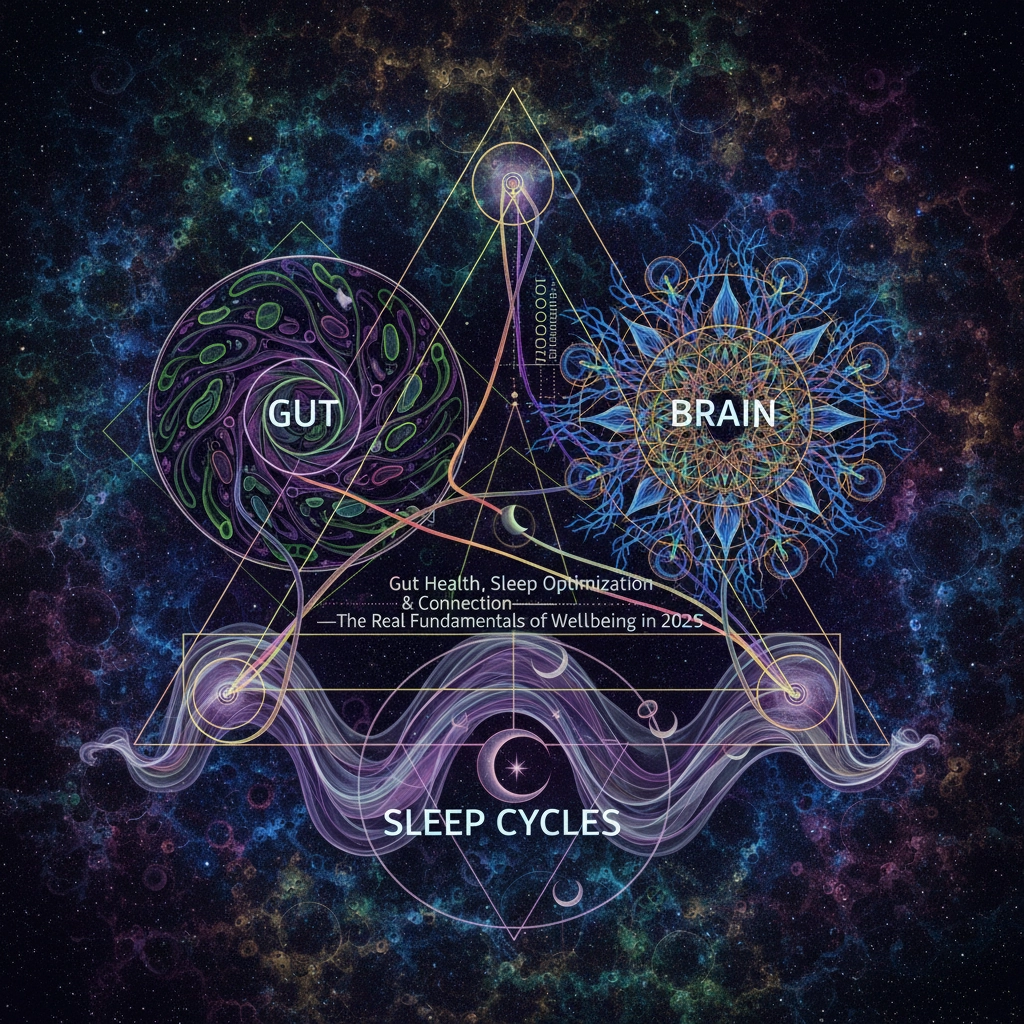
The gut-brain axis operates as a bidirectional superhighway where your microbiome actively produces neurotransmitters, regulates hormones, and sends signals that determine whether you'll have that 2 PM energy crash or power through your day with laser focus. About 90% of your serotonin: that crucial mood and sleep regulator: is actually produced in your gut, not your brain.
Here's where it gets wild: when your gut health is dialed in, it stabilizes your hormones, which directly impacts both your sleep quality and energy levels throughout the day. But when it's off? You're looking at a cascade of inflammation that disrupts everything from your circadian rhythm to your ability to handle stress.
Why 2025 Is the Gut Health Tipping Point
We're living through a massive shift in how we understand human performance. The old model was linear: eat food, get energy, work hard, sleep when tired. The new model recognizes that optimization happens at the intersection of systems, not in isolation.
In 2025, gut health has moved from the wellness periphery to the center of every serious conversation about performance, longevity, and mental clarity. And it's not because of some trend: it's because we finally understand that approximately 70% of your immune system lives in your gut, making it the command center for everything from your ability to fight off illness to your capacity for deep, restorative sleep.
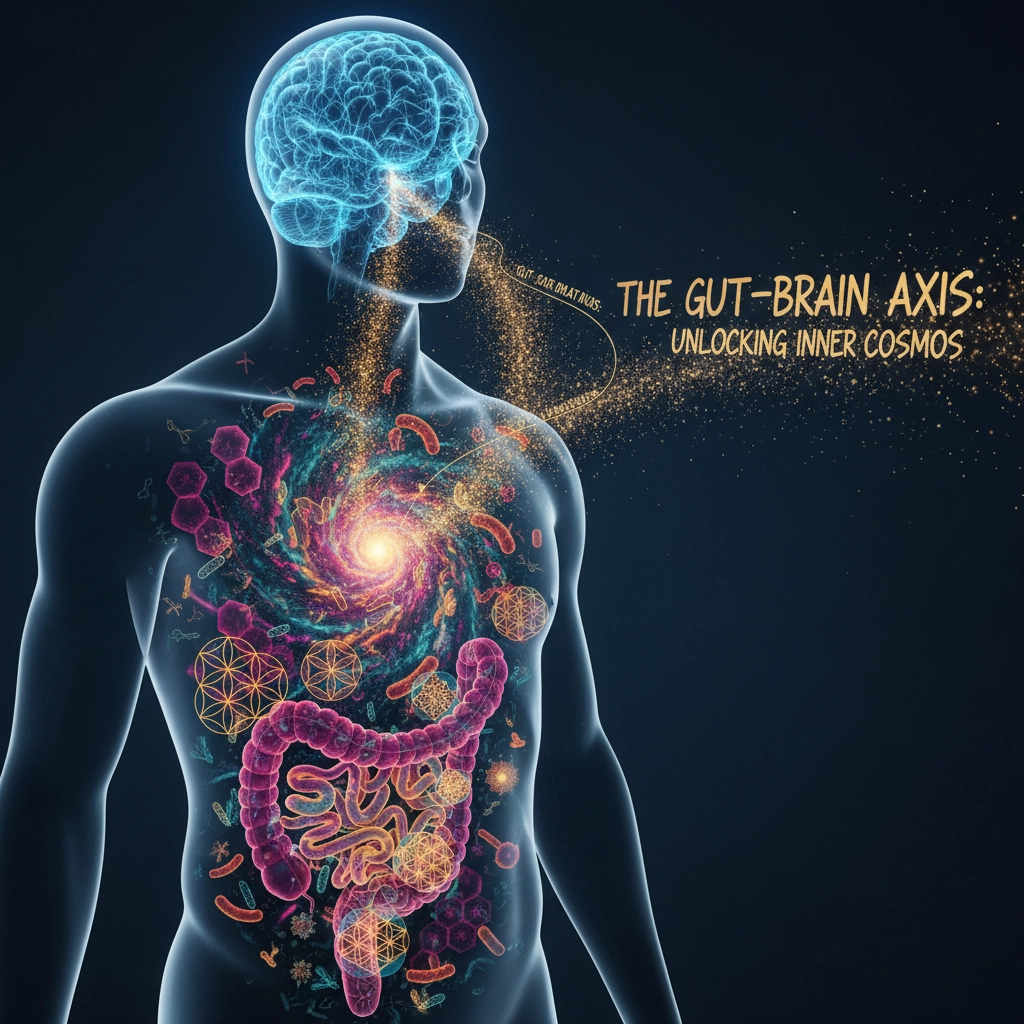
The research is crystal clear: a balanced gut microbiome doesn't just improve digestion. It enhances mood, reduces anxiety, sharpens cognitive function, and creates the internal conditions necessary for the kind of sleep that actually restores and regenerates your system instead of just making you less tired.
The Sleep-Gut Feedback Loop Nobody Understands
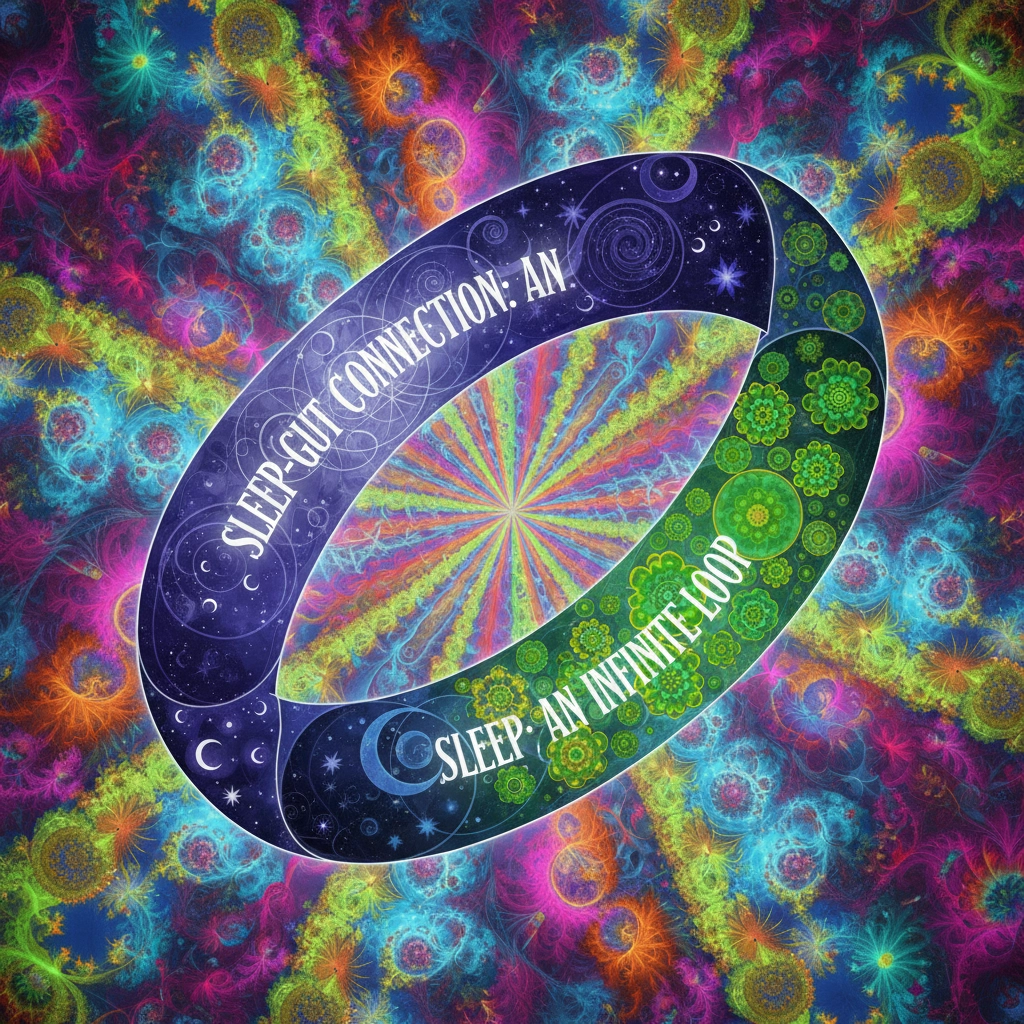
Here's what most people miss: the relationship between gut health and sleep isn't one-way. Poor sleep doesn't just make you feel terrible: it actively disrupts your gut microbiome, creating an imbalance called dysbiosis that then makes it even harder to get quality sleep. You end up trapped in a downward spiral where each system sabotages the other.
When you're sleep-deprived, your body creates an inflammatory environment that fundamentally alters the composition of your gut bacteria. The delicate balance between beneficial bacteria (primarily from the Firmicutes and Bacteroidetes families) gets thrown off, which then triggers more inflammation, more sleep disruption, and more gut dysfunction.
But flip the script? Optimize your gut health and you create the biochemical conditions for deeper, more restorative sleep. Better sleep then supports a healthier microbiome. Suddenly you're in an upward spiral where each system amplifies the benefits of the other.
The Connection Component Most Wellness Experts Ignore
Here's the part that blows minds: your gut health and sleep quality don't just affect how you feel: they directly impact how you connect with other people. When your gut is producing optimal levels of neurotransmitters and your sleep is dialed in, you show up differently in relationships. You're more present, more emotionally regulated, and more capable of the kind of deep connection that actually fulfills you.
Think about it: when you're running on poor sleep and dealing with gut inflammation, everything becomes harder. You're more reactive, less patient, and operating from a place of survival rather than growth. Your nervous system is in constant defense mode, which makes authentic connection nearly impossible.
But when both systems are optimized? You have the internal resources to be genuinely available for others. Your emotional regulation improves, your stress response becomes more adaptive, and you can engage from a place of abundance rather than depletion.
The 2025 Integration Protocol
The breakthrough in 2025 isn't just understanding these connections: it's knowing how to optimize all three simultaneously. This isn't about adding more supplements to your routine or following another restrictive diet. It's about creating lifestyle rhythms that support the natural integration of these systems.

The Microbiome Foundation: Start with diversity, not restriction. Your gut thrives on variety: different colors of vegetables, fermented foods, and prebiotic fibers that feed beneficial bacteria. The goal isn't perfection; it's creating an environment where good bacteria can flourish while crowding out the problematic ones.
Sleep Architecture Optimization: This goes beyond sleep hygiene basics. We're talking about understanding your chronotype, optimizing your sleep environment for temperature and darkness, and recognizing that quality sleep is when your gut actually repairs and regenerates. The two systems are most integrated during deep sleep phases.
Connection Practices: Regular social interaction, meaningful relationships, and community engagement aren't just nice-to-haves: they're biological necessities that support both gut health and sleep quality through stress reduction and nervous system regulation.
The Compound Effect Nobody Talks About
When you optimize gut health, sleep, and connection together, the results aren't additive: they're exponential. Better gut health improves sleep quality, which enhances your capacity for connection, which reduces stress and supports gut health. Each element amplifies the others in ways that isolated interventions simply can't match.
People report improvements that go far beyond what they expected: weight management becomes effortless, immune function strengthens, mental clarity sharpens, and mood stabilizes. But the real game-changer is the energy: not the jittery, caffeine-fueled kind, but the steady, sustainable energy that comes from systems working in harmony.
Making It Practical
The beauty of this approach is its simplicity. You don't need expensive tests or complex protocols. Start with the basics: prioritize variety in your diet, create consistent sleep rhythms, and invest in relationships that actually nourish you. Pay attention to how these elements interact in your own life.
Notice how a poor night's sleep affects your food choices the next day, or how social stress impacts your digestion. These aren't separate problems requiring separate solutions: they're all part of one integrated system that responds best to integrated approaches.
The future of wellbeing isn't about optimizing individual metrics: it's about understanding and supporting the relationships between the systems that actually determine how we feel, perform, and connect. And in 2025, gut health, sleep optimization, and meaningful connection aren't just the fundamentals of wellbeing; they're the foundation of a life worth living.