Look, aging doesn't have to suck.
I know that sounds like something a wellness influencer would say before trying to sell you a $500 supplement, but hear me out. We're living in this wild moment where science is finally catching up to what biohackers have been experimenting with for years, and the results are pretty mind-blowing.
The game has completely changed from just accepting that we'll inevitably fall apart as we get older. Now we're talking about extending not just how long we live, but how well we live. And honestly? Some of the most powerful tools are way more accessible than you might think.
The New Rules of Aging
Here's what most people don't realize: there's actually a difference between biohacking, longevity science, and anti-aging approaches, and understanding this distinction is huge.
Biohacking is about optimizing your day-to-day performance. Think sleep trackers, nootropics, cold plunges, stuff that makes you feel better right now. Longevity science focuses specifically on extending both your lifespan and healthspan through things like resistance training and targeted supplements. Anti-aging is more about minimizing the visible signs of aging.
The magic happens when these three overlap. The best longevity strategies aren't just about living longer, they're about feeling incredible while you do it.
Red Light Therapy: Your Cellular Power-Up
If you haven't heard of red light therapy yet, you're about to. This isn't some new-age woo-woo, this is cellular biology at its finest.
Here's the deal: your cells have these little powerhouses called mitochondria that basically run everything, muscle repair, mental clarity, hormone production, cellular regeneration, all of it. As we age, these mitochondria start slacking off. They produce less energy (ATP) and create more cellular damage.
Red light therapy literally recharges these cellular batteries. It stimulates your mitochondria to work more efficiently, producing more energy while reducing the oxidative stress that ages you from the inside out.
But the benefits go way beyond just more energy:
Faster Recovery: Your tissues, muscles, joints, even neurons, repair and rebuild more efficiently. That workout soreness? Gone faster. That brain fog? Clearer thinking.
Reduced Inflammation: Chronic inflammation is like background noise in the aging process. It disrupts sleep, drains energy, and accelerates cognitive decline. Red light therapy turns down that inflammatory volume.
Hormonal Balance: It actually helps boost testosterone production and improves insulin sensitivity, both of which typically nosedive as we age. Translation: sustained energy, better mood, stable blood sugar.
Sleep Optimization: When used at the right times, red light therapy helps regulate your circadian rhythms, which control everything from hormone release to immune function.
The best part? You can get a quality red light panel for your home for less than what most people spend on supplements in a year.

Your Gut: The Longevity Control Center
Now let's talk about something that's going to sound futuristic but is available right now: personalized nutrition based on your unique microbiome.
We used to think nutrition was pretty straightforward: eat your vegetables, avoid processed food, done. But we're learning that your gut bacteria are essentially a second brain, influencing everything from how you absorb nutrients to how your immune system functions.
Here's where it gets wild: companies can now analyze your gut microbiome and tell you exactly which foods will optimize your biology. Not some generic "healthy diet": your diet based on your unique bacterial population.
Why This Matters for Longevity:
Your gut microbiome literally controls inflammation levels throughout your body. It influences how well you absorb nutrients, how effectively your immune system works, and even how your brain functions. A optimized microbiome can reduce systemic inflammation, improve energy production, and support the creation of beneficial metabolites that actively promote longevity.
How to Do This Right:
Get comprehensive testing done: DNA analysis, gut microbiome mapping, food sensitivity panels. This isn't cheap, but it's incredibly precise. You'll get targeted protocols for probiotics, specific foods that work with your biology, and supplement strategies tailored to your genetic makeup.
I've seen people completely transform their energy levels and health markers just by eating the right foods for their biology instead of following generic diet advice.
The Technology Stack for Longevity
Here's where things get really exciting. We're not just guessing anymore: we have data. Lots of it.
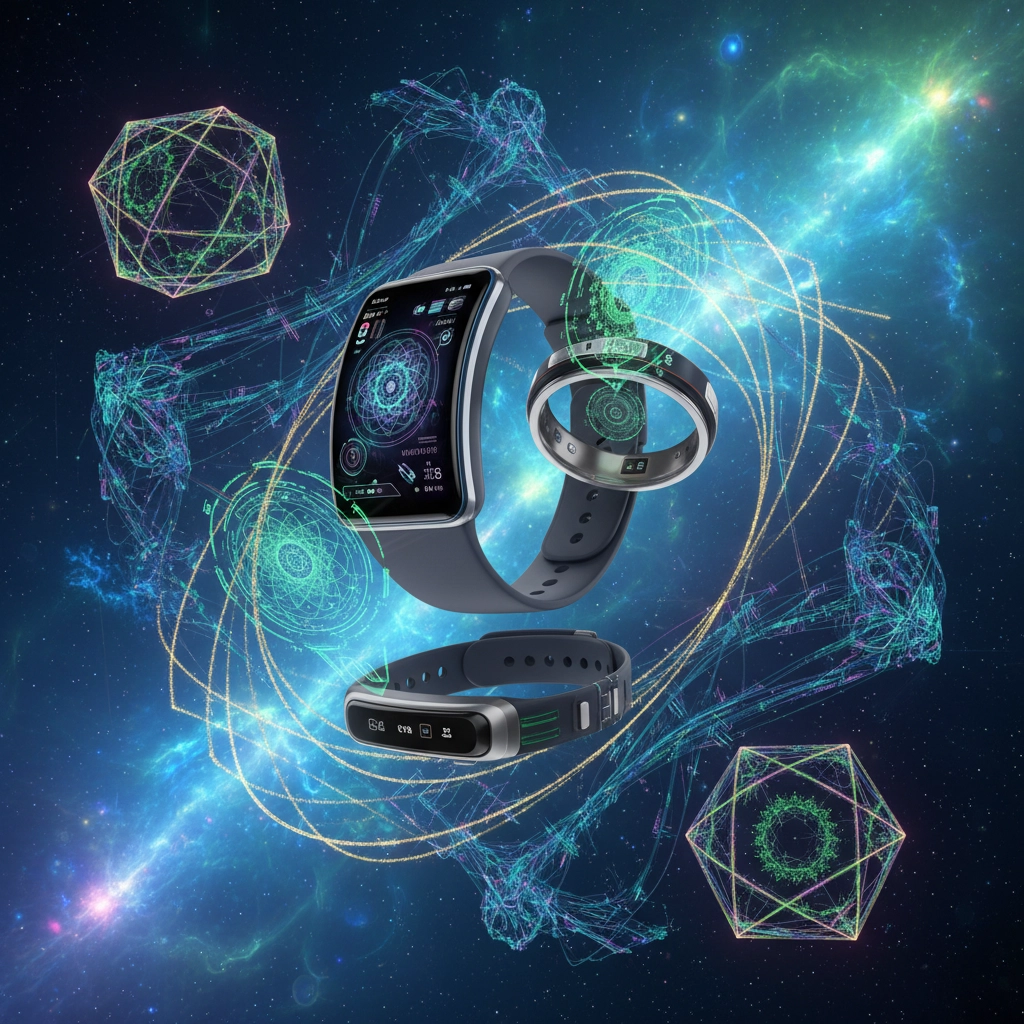
Wearable Tech: Devices like the Oura Ring, WHOOP, and Apple Watch aren't just step counters. They're giving you real-time feedback on heart rate variability, recovery metrics, sleep stages, and stress response. You can literally track how different interventions affect your biological age markers.
Advanced Diagnostics: Full-body scans, comprehensive bloodwork, genetic testing: we can now identify potential health risks decades before symptoms appear. This means you can take action early instead of playing catch-up later.
Sleep Optimization: This is still the foundation of everything. Sleep trackers combined with environmental controls (blackout curtains, temperature regulation, blue-light blocking) and targeted supplements like magnesium can dramatically improve recovery and cellular repair processes.
The Metabolic Advantage
One of the most powerful longevity strategies is also one of the simplest: intermittent fasting. But not the extreme versions you see on social media: strategic eating windows that support your body's natural repair processes.
When you give your digestive system regular breaks, your body shifts into cellular cleanup mode. It starts breaking down damaged proteins, recycling cellular components, and optimizing metabolic function. Many people experience better energy, improved weight management, and enhanced insulin sensitivity.
The key is finding a sustainable rhythm that works with your lifestyle and goals.
Environmental Stress: Your Secret Weapon
This might sound counterintuitive, but controlled stress can actually slow aging. I'm talking about hormetic stress: brief, controlled exposures to challenging conditions that make your body stronger.
Heat Exposure: Regular sauna sessions can reduce inflammation, improve cardiovascular function, and boost heat shock proteins that protect against cellular damage.
Cold Exposure: Cold plunges, cryotherapy, or even cold showers can stimulate mitochondrial function, reduce inflammation, and improve stress resilience.
Exercise Stress: Resistance training and high-intensity intervals create beneficial stress that triggers adaptation and repair processes.
The key word here is controlled. These aren't about punishing yourself: they're about strategically challenging your body in ways that make it more resilient.
Safety First: The Smart Approach
Look, most of these longevity practices are just structured versions of fundamental health behaviors. We're not talking about experimental drugs or dangerous procedures.
But here's how to do this intelligently:
-
Start with evidence-based interventions supported by human studies, not just mouse research or anecdotal reports.
-
Change one thing at a time so you can actually identify what's working and what's not.
-
Track both objective data and subjective feedback. Numbers matter, but so does how you feel.
-
Consult professionals for anything involving prescription interventions, hormones, or medical devices.
The goal isn't to become a guinea pig: it's to systematically optimize your biology using proven strategies.
The Future Is Personal
We're moving toward a world where aging optimization is completely personalized. Instead of generic advice, you'll have precise interventions based on your unique genetic profile, metabolic patterns, and lifestyle factors.
This isn't about accepting inevitable decline anymore. It's about taking active control of your aging process through scientifically-informed strategies that let you maintain: and even improve: your vitality as you get older.
The tools are here. The science is solid. The only question is: are you ready to rewrite the rules of how you age?
The future of longevity isn't about adding years to your life; it's about adding life to your years. And that future? It's available right now.