The Shift from Self-Improvement to Radical Community
Scroll through any personal development feed and you’ll see the same message: Become your “best self.” Optimize. Level up. Get ahead. But this solo quest can leave even the most dedicated seekers feeling isolated, burned out, and constantly “not enough.” What if the real missing puzzle piece wasn’t just becoming, but belonging?
That’s the movement radical community is spearheading in the personal development world—a shift away from rugged individualism and toward collective transformation. Instead of asking, “How can I fix myself?” the question becomes, “How do we change, together, so everyone gets to thrive?”
Why Traditional Self-Growth Is No Longer Enough
Old-school self-improvement treats people like projects to be managed. You, alone, must master your habits, manage your mindset, and out-hustle your doubts. While there’s real power in personal responsibility, this approach often ignores the wider systems that shape us—social inequity, power dynamics, cultural wounds. It’s like trying to plant a garden in toxic soil and blaming yourself when nothing grows.
Radical community development flips the script: Growth isn’t just a solo project; it’s a collective journey. This lens is showing up everywhere, from grass-roots coaching programs to revolutionary therapy spaces.
What “Belonging” Actually Means
Let’s get clear: Belonging isn’t just about being accepted by a group—it’s about feeling safe to show up fully, warts and all, and shape the environment with others. It means finding spaces where you’re not just “included,” but your presence actively changes the culture.
According to research on equitable communities, true belonging is built when:
- Power is widely distributed, not hoarded at the top.
- People experience deep connection and authenticity.
- Contribution to the community is expected from everyone—not just the loudest voices or traditional leaders.
This isn’t fluffy. In fact, building a climate of belonging is what unlocks inner growth for people who have always felt sidelined or silenced. 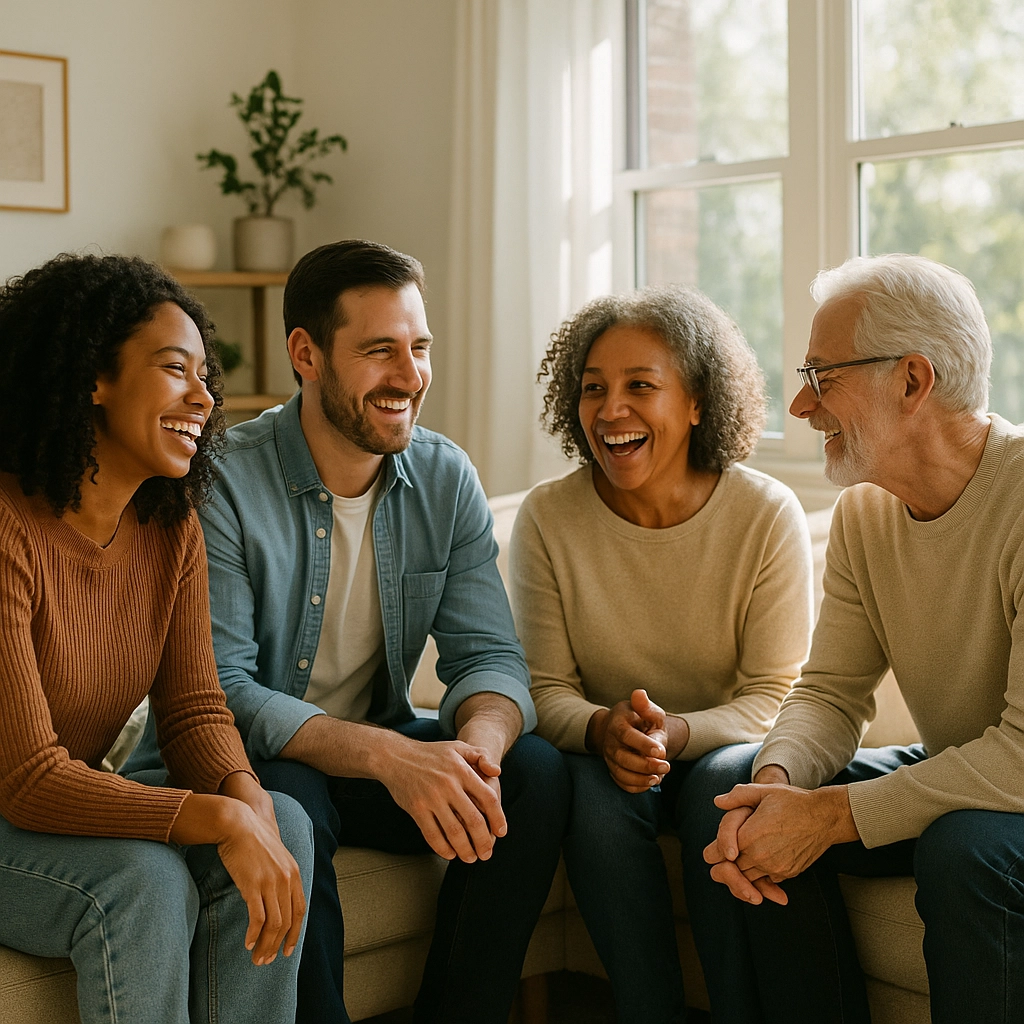
Individual vs. Collective: What Radical Community Does Differently
1. Unpacking Power Instead of Ignoring It
Conventional self-help often sidesteps tough questions about power and privilege. Radical community insists we look at who gets to succeed—and why. This might sound heady, but it shows up in day-to-day coaching work, too.
Take, for example, a personal growth group that moves from “How can I be more confident?” to:
- Who feels welcomed here—and who doesn’t?
- What barriers keep some of us from taking risks or speaking up?
- How do we handle conflict, and whose voices set the group’s direction?
When a community gets savvy about how power and systems work, it creates the conditions for everyone—not just the “natural leaders”—to grow. This is inspired by the work of educators like Paulo Freire, who called for critical consciousness and real participation, not just passive inclusion.
2. From Burnout to Radical Self-Care
Personal development spaces can fall into the trap of “always be optimizing”—burning people out in the name of betterment. Radical community knows that burnout is often a systemic problem, not a personal failing.
Here’s how the cycle looks in traditional models:
Set high standards → Overwork → Isolation → Burnout → Shame
In radical communities, there’s a move toward collective nourishment:
Shared goals → Realistic pacing → Mutual support → Sustainability → Resilience
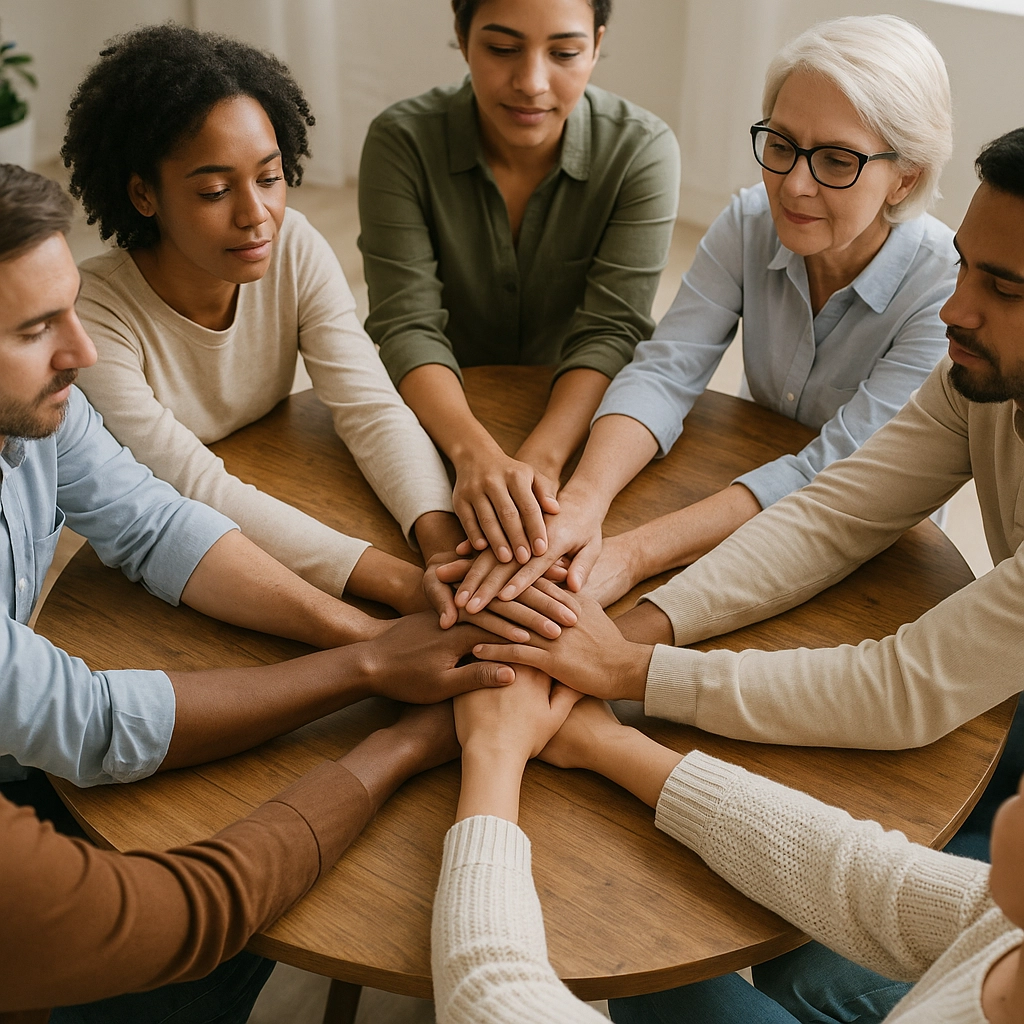
Social justice movements, in particular, have championed “radical self-care” not as indulgence, but as a survival strategy for anyone facing ongoing stress and exclusion. When rest, care, and boundaries are normalized at a group level, individuals find it easier to regulate their nervous systems, stay engaged, and keep growing.
3. Critique and Creativity over Compliance
Radical community honors critical reflection. That means:
- Welcoming feedback (even the uncomfortable kind!)
- Making space for disagreement and process, not just outcomes
- Designing structures that are flexible enough to evolve with members’ needs
This might look like a coaching circle that regularly questions its curriculum, invites new facilitators, or revisits its group agreements. Personal development becomes an ongoing co-creation—not a product handed down from “experts.” The wisdom of the group is prioritized, not just the wisdom of the founder.
How It Actually Feels (And Why It’s So Healing)
For people historically pushed to the margins—due to race, gender, neurodivergence, or something else—true belonging can be revolutionary. It’s the difference between feeling like a “perpetual guest” and feeling at home enough to leave your shoes at the door and help rearrange the furniture.
In these communities:
- Vulnerability is safe, not risky.
- Celebrations and struggles are shared.
- Value isn’t tied to productivity, but presence.
Studies show that a strong sense of belonging can drastically reduce symptoms of anxiety, depression, and even physical health problems. (This is the belongingness hypothesis—rooted in decades of research.) 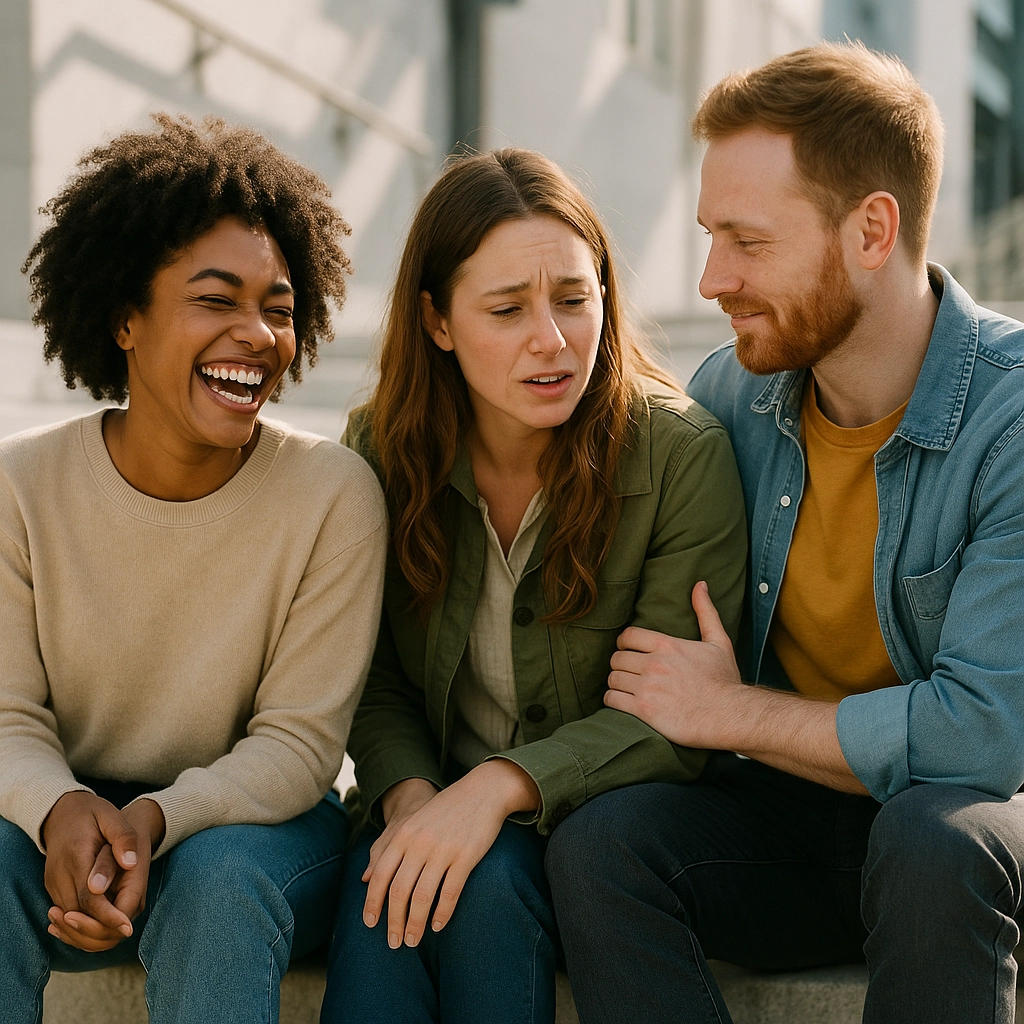
And here’s a secret: What’s nourishing for the most marginalized is usually healing for everyone.
Online Spaces, Real-World Results
Of course, digital connections are where a lot of us find like-minded folks these days. But even the best WhatsApp thread can’t fully replace the embodied experience of community: the subtle signals, the shared rituals, even the awkward silences. Online can launch community, but in-person or live-group work is where belonging roots for real.
That’s why programs—whether it’s group coaching, peer support circles, or intentional masterminds—are prioritizing:
- Live calls (with cameras ON)
- Deep-check-ins, not just surface chat
- Cohort models, not a revolving door
Belonging as the New Metric of Success
If personal growth used to be measured by what you achieved alone, radical community says: Show us what we can actually do—heal, build, dream—together.
So, what does this future look like for personal development?
- Community-first design: Programs are built with, not just for, participants.
- Interdependence as strength: Needing others isn’t weakness; it’s wisdom.
- Social justice at the core: Marginalized voices set the table, and everyone gets fed.
If you’re longing for more than just “becoming,” take that as a sign. Maybe it’s time to lean into a community that feels bold enough to welcome all your parts—the striving, the scared, and the untapped brilliance.
And if you want a taste of what’s possible in a genuinely radical, nourishing space, check out what we’re cultivating over at Satori Prime.
Resources and Further Reading
- Pedagogy of the Oppressed by Paulo Freire – the classic on critical pedagogy and community empowerment.
- The Belongingness Hypothesis: See foundational research on why social connection is as basic as food and shelter.
- Satori Prime’s own resources on mindset and community programs.
Ready to find your people? The new wave of personal development starts where you end—and we begin, together.